


Top 5 Microbiome Myths
Myth #1: “You Can Reset Your Microbiome in 24 Hours.”
The Fact:
There’s no such thing as a quick reset. While your microbiome does respond rapidly to dietary changes, it doesn’t completely transform overnight.
Studies show that dramatic shifts can occur within 24–48 hours when you change your diet, but they stabilize and adapt over weeks, not hours. Long-term habits matter far more than quick fixes.
What actually works:
- • Consistent intake of fiber-rich foods
- • Diverse plant-based meals
- • Regular movement
- • Adequate hydration
These steady habits, not “reset diets,” lead to meaningful improvement.
Myth #2: “All Bacteria Are Bad for You.”
The Fact:
This is one of the biggest misconceptions. Many people still equate bacteria with illness, but beneficial microbes are essential for digestion, nutrient production, metabolism, and immune balance.
Research reveals that a healthy microbial ecosystem supports multiple systems in the body, including metabolic and immune function.
What actually helps:
Focusing on foods that support beneficial microbes:
- • Fermented foods (yogurt, kefir, kimchi)
- • Fiber-rich foods (beans, berries, vegetables)
- • Polyphenol-rich foods (tea, cocoa, herbs, spices)
Myth #3: “Taking Any Probiotic Will Fix Your Digestion.”
The Fact:
Probiotics are strain-specific meaning each strain has a different effect. One capsule can’t target every issue, and not all strains have the same scientific backing.
For example:
- • Lactobacillus rhamnosus GG is widely studied for gut support.
- • Bifidobacterium infantis 35624 shows benefits for bloating and abdominal comfort.
What actually works:
Choose probiotics based on clinical evidence and your specific needs not general claims.
Myth #4: “You Need to Avoid Carbs to Support Your Microbiome.”

The Fact:
Your beneficial bacteria love carbs specifically prebiotic fibers that fuel them. Low-carb or no-carb diets can disrupt microbial diversity if fiber intake drops too low.
Research shows that fermentable fibers (like in oats, garlic, bananas, and legumes) help bacteria produce short-chain fatty acids (SCFAs), which support metabolic and immune health.
What actually helps:
- • Include whole grains
- • Choose vegetables with resistant starch
- • Add nuts, seeds, beans, fruits
It’s about the right carbs, not zero carbs.
Myth #5: “A Healthy Microbiome Looks the Same for Everyone.”
The Fact:
There’s no one “perfect” microbiome. Your unique microbial signature is shaped by:
- • Diet
- • Environment
- • Genetics
- • Early life exposures
- • Stress levels
- • Activity patterns
What’s healthy for one person can look completely different for another.
What actually helps:
Aim for diversity, not comparison. A wider variety of microbes is generally linked to better resilience.
How Supplements Can Complement Your Diet

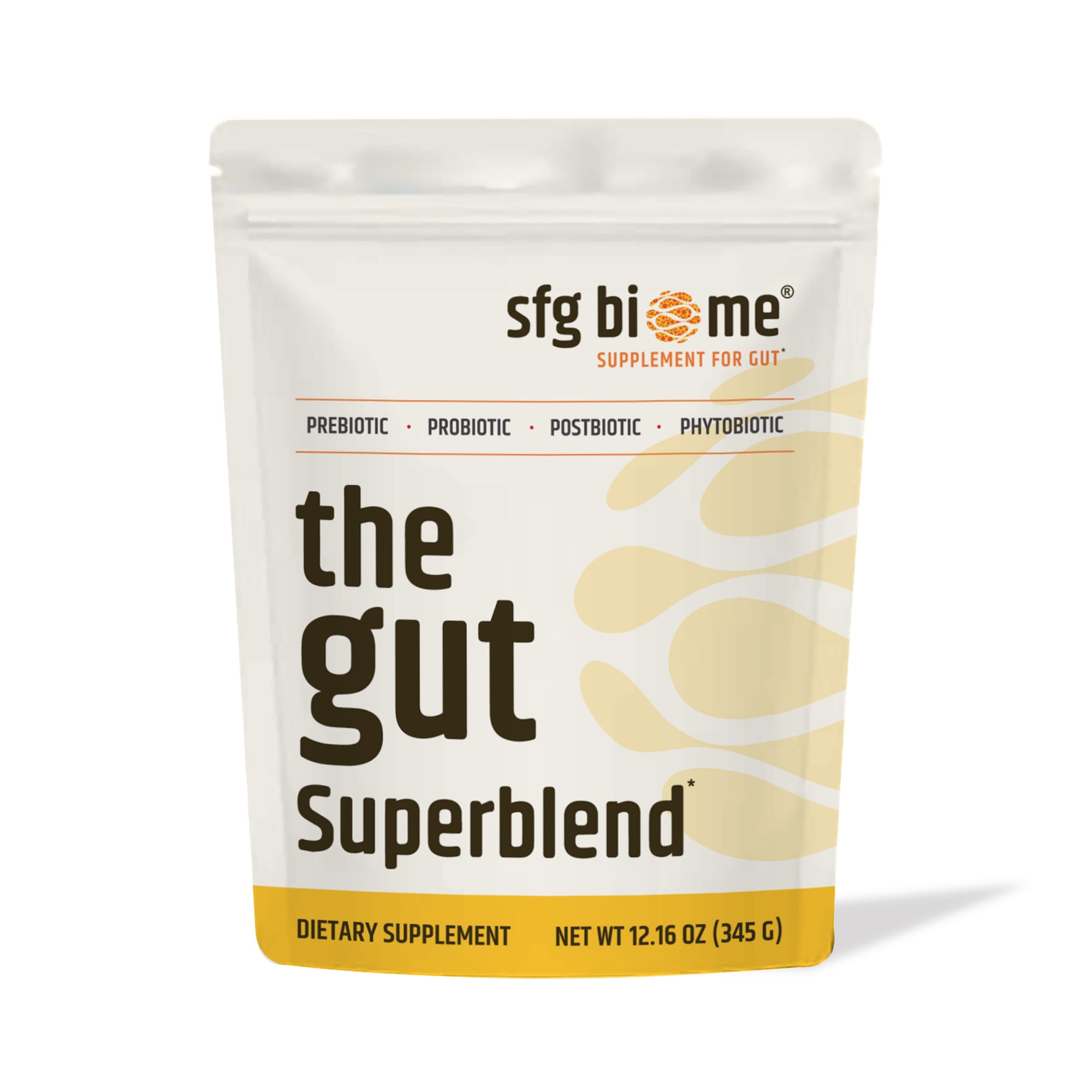
Diet should always be the foundation for microbial balance, but certain supplements like clinically validated probiotics, prebiotics, and fiber blends can be helpful additions when used correctly.
They support:
- • Microbial diversity
- • Digestive comfort
- • Regularity
- • Nutrient production
Always consult your healthcare provider before starting any new supplement, especially if you have existing health conditions or take medications.
Final Thoughts
Understanding what’s true and what isn’t about the microbiome empowers you to make smarter choices for your overall well-being. Instead of chasing trends, focus on consistent habits, evidence-based nutrition, and personalized choices that align with your lifestyle.
FAQs
1. Can stress really affect the microbiome?
Yes, chronic stress can reduce microbial diversity and alter gut–brain communication. Mindfulness, sleep, and movement help counter this.
2. How many plant foods should I eat weekly for a healthier microbiome?
Research suggests aiming for 30+ plant varieties per week supports better diversity.
3. Are fermented foods enough to improve microbial balance?
They help, but they work best when combined with fiber-rich foods and consistent lifestyle habits.
Scientific References
- • Holmes Z. C., et al. (2022). Microbiota responses to different prebiotics are conserved within individuals and associated with habitual fiber intake. Microbiome, 10:114. Learn More
- • Ramos Meyers G., Samouda H., Bohn T. (2022). Short Chain Fatty Acid Metabolism in Relation to Gut Microbiota and Genetic Variability. Nutrients, 14(24):5361. Learn More
- • Ramos-Meyers G., Samouda H., Bohn T. (2022). Intestinal microbiota-derived short-chain fatty acids in host health and disease. Nutrients, 14(9):1977. Learn More
- • Sanders M. E., et al. (2019). Probiotics and prebiotics in intestinal health and disease: from biology to clinical applications. Nature Reviews Gastroenterology & Hepatology. Learn More
- • Rojo D., Méndez-García C., et al. (2017). Exploring the human microbiome from multiple perspectives: Factors altering its composition and function. FEMS Microbiology Reviews.
