


Why Good Bacteria Matter
Your digestive system isn’t working alone it’s home to a community of friendly microbes that help break down food, produce vitamins, and keep harmful bacteria in check. When this community is balanced, you feel energized, regular, and comfortable after meals. But when it’s disrupted by stress, poor diet, or antibiotics, you may notice bloating, fatigue, or irregular digestion.
The good news? You can nurture this inner ecosystem through something as simple as what’s on your plate.
1. Bananas — The Gentle Prebiotic

Bananas aren’t just a quick energy boost. They are also a natural prebiotic food, meaning they feed the good bacteria already living in your gut. The type of fiber found in bananas, especially resistant starch in slightly green ones, helps beneficial bacteria like Bifidobacteria grow strong and active.
Tip: Enjoy one slightly under-ripe banana in your morning smoothie or oatmeal to get those gut-friendly benefits.
2. Garlic — Tiny But Mighty
Garlic does more than add flavor to food, it’s a powerful prebiotic that supports the growth of healthy microbes. Its natural compounds, like inulin and fructooligosaccharides (FOS), act as fuel for good bacteria and helps ease the growth of less-friendly ones.
Try this: Add raw or lightly cooked garlic to salad dressings, soups, or roasted veggies to preserve its beneficial properties.
3. Yogurt — A Natural Source of Live Cultures
Yogurt is one of the easiest ways to add live beneficial bacteria (probiotics) to your diet. These cultures, such as Lactobacillus and Bifidobacterium, help maintain microbial balance and support digestion.
Tip: Choose plain, unsweetened yogurt labeled “contains live and active cultures.” Add fruits or nuts for natural sweetness.
4. Oats — Slow and Steady Support
Oats are rich in beta-glucan fiber, which feeds beneficial bacteria and helps produce short-chain fatty acids (SCFAs). These SCFAs are vital for keeping your intestinal lining healthy and reducing inflammation.
Try this: Warm oatmeal with cinnamon, chia seeds, and berries makes a fiber-packed, gut-friendly breakfast.
5. Fermented Foods — Nature’s Probiotics
Foods like sauerkraut, kimchi, miso, and kefir are rich in natural probiotics formed during fermentation. These foods introduce a variety of beneficial bacteria to your system and improve microbial diversity one of the keys to digestive wellness.
Tip: Add a spoonful of sauerkraut as a side to your lunch or a splash of kefir in your smoothie.
How Dietary Supplements Can Help

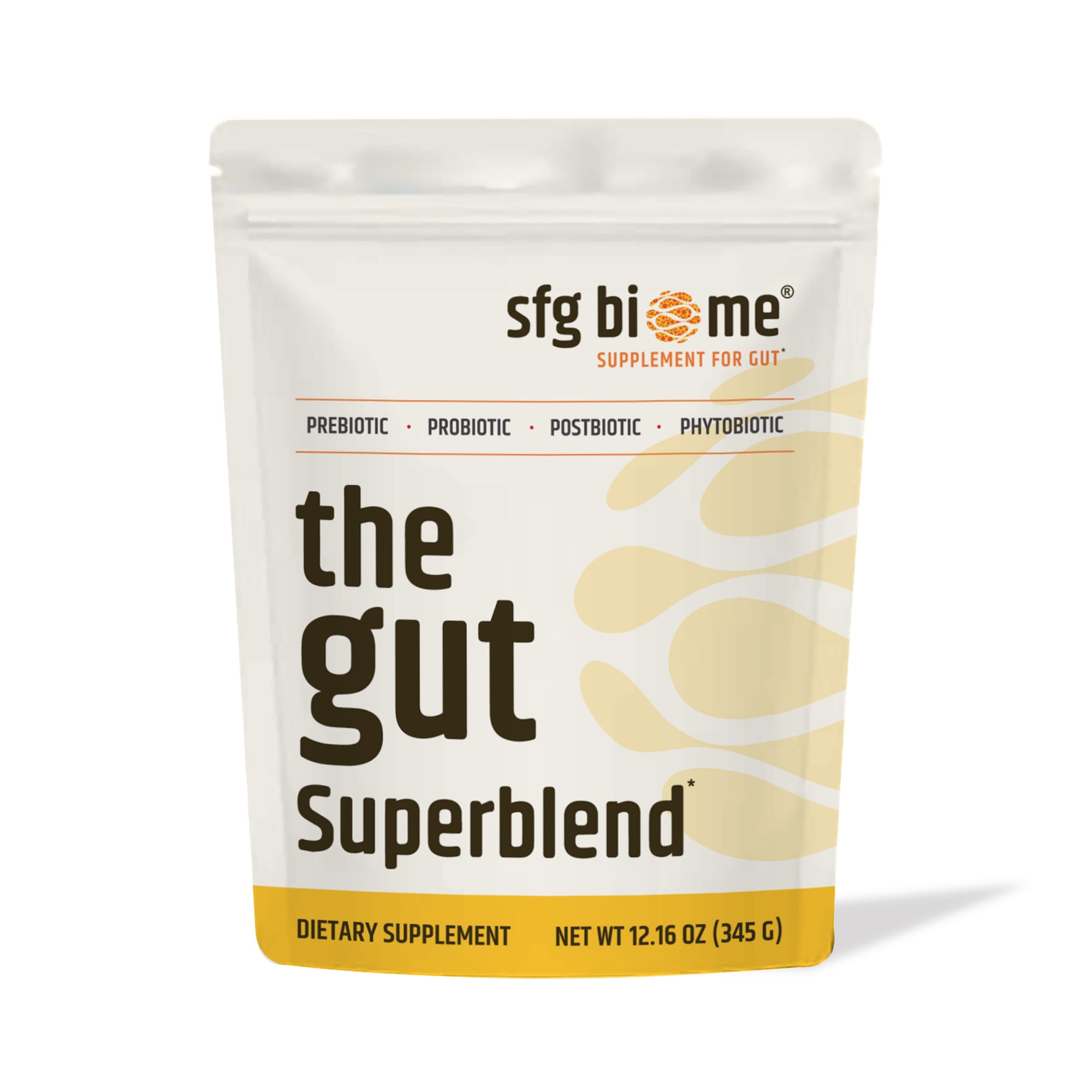
While food should always be your foundation, dietary supplements can provide additional support especially when your diet lacks variety. Probiotics deliver specific live strains of bacteria that support digestion and balance, while prebiotic supplements provide the fibers that feed those bacteria.
Note: Always consult your healthcare provider before adding new supplements to your routine, especially if you’re pregnant, nursing, or managing a medical condition.
Simple Everyday Tips for a Balanced Gut
- • Rotate your meals to give your good bacteria a variety of nutrients.
- • Choose whole, unprocessed foods whenever possible.
- • Stay hydrated water helps your microbes thrive.
- • Limit excess sugar and alcohol, which can disturb microbial balance.
Final Takeaway
Supporting your gut doesn’t have to be complicated. By adding more prebiotic and probiotic foods like bananas, garlic, oats, yogurt, and fermented veggies, you can help your good bacteria thrive naturally. Over time, these small daily choices can make a big difference in how you digest, feel, and live.
FAQs
1. What are “good bacteria”?
Good bacteria are beneficial microbes that live in your digestive system. They help digest food, produce vitamins, and keep harmful bacteria in check.
2. Can I get enough good bacteria from food alone?
A balanced diet rich in prebiotic and fermented foods helps maintain healthy levels, but supplements can support when diet variety is limited.
3. How long does it take to see changes in digestion after eating more of these foods?
Most people notice improvements in 2–4 weeks when they consistently eat fiber-rich, diverse foods.
Scientific References
- • Gibson GR, et al. (2017). The concept of prebiotics: The International Scientific Association for Probiotics and Prebiotics (ISAPP) consensus statement. Frontiers in Microbiology.
- • Marco ML, et al. (2021). Health benefits of fermented foods: microbiota and beyond. Current Opinion in Biotechnology.
- • Sanders ME, et al. (2019). Probiotics and prebiotics in intestinal health and disease: from biology to clinical applications. Nature Reviews Gastroenterology & Hepatology.
- • Slavin J. (2013). Fiber and prebiotics: mechanisms and health benefits. Nutrients.
