Your Cart

Pumpkin and Gut Health: More Than Just a Fall Treat — Blog
GUT INSIGHTS

Pumpkin and Gut Health: More Than Just a Fall Treat

"Learn how this fall favorite pumpkin benefits your digestive system and easy ways to enjoy."

The Fall Favorite with Year-Round Benefits

When you think of pumpkin, you might picture lattes, pies, and cozy fall evenings. But beyond its seasonal charm, pumpkin is a nutrient-dense powerhouse with surprising benefits for your digestive health.

From its rich orange hue to its naturally sweet flavor, pumpkin offers fiber, prebiotics, antioxidants, and micronutrients that support gut balance, immunity, and energy. In other words, it’s so much more than a fall treat.

1. Pumpkin Is a Gentle Source of Prebiotic Fiber

Pumpkin is naturally high in soluble and insoluble fiber, both of which help nourish beneficial gut microbes.

Soluble fiber (found in the flesh) forms a gel-like texture in the gut, slowing digestion and supporting blood sugar balance. Insoluble fiber (mainly in the skin) adds bulk, promoting regularity and cleansing the colon.

These fibers act as prebiotics fuel for friendly gut bacteria like Bifidobacteria and Lactobacillus helping them thrive and produce beneficial short-chain fatty acids (SCFAs) such as butyrate.

Research shows that SCFAs strengthen the gut barrier, reduce inflammation, and even support brain health.

2. Rich in Beta-Carotene and Antioxidants

The bright orange pigment in pumpkin comes from beta-carotene, a powerful antioxidant that converts to vitamin A in the body.

Vitamin A supports mucosal integrity, the lining that protects your gut from toxins and pathogens.

Additionally, pumpkin contains vitamin C, vitamin E, and polyphenols, all of which helps ease oxidative stress in the digestive tract and support healthy immune function.

3. Supports a Calm and Balanced Digestive System

Thanks to its natural fiber and anti-inflammatory compounds, pumpkin is gentle on the stomach. It’s often used in digestive-friendly diets to help ease bloating, constipation, and discomfort.

Its natural potassium and magnesium content also supports smooth muscle contraction in the intestines, supporting regular digestion and hydration.

4. Pumpkin Seeds: Tiny but Mighty

Don’t toss out those seeds they are packed with zinc, magnesium, and healthy fats, all crucial for digestive enzyme function and gut barrier integrity.

The fiber and polyphenols in pumpkin seeds also help modulate gut microbial diversity, making them a perfect crunchy addition to salads, oatmeal, or yogurt bowls.

Easy Ways to Add Pumpkin to Your Diet

Gut-friendly pumpkin soup rich in fiber and nutrients for healthy digestion

You don’t need to wait for Thanksgiving to enjoy pumpkin. Try these simple ways to include it year-round:

  • • Add pureed pumpkin to smoothies for a creamy texture and fiber content.
  • • Stir pumpkin into oatmeal or yogurt for a naturally sweet, gut-friendly breakfast.
  • • Roast pumpkin cubes with olive oil and spices like cinnamon or turmeric.
  • • Blend it into soups or curries for extra flavor and color.

Pumpkin + Probiotics: A Winning Combo

Pairing pumpkin with probiotic-rich foods like yogurt, kefir, or fermented veggies can further enhance gut health. The fiber in pumpkin acts as prebiotic fuel, while probiotics supply live beneficial bacteria. Together, they create a synergistic effect that supports digestion, immunity, and nutrient absorption.
Product image
4.7 / 5 Reviews
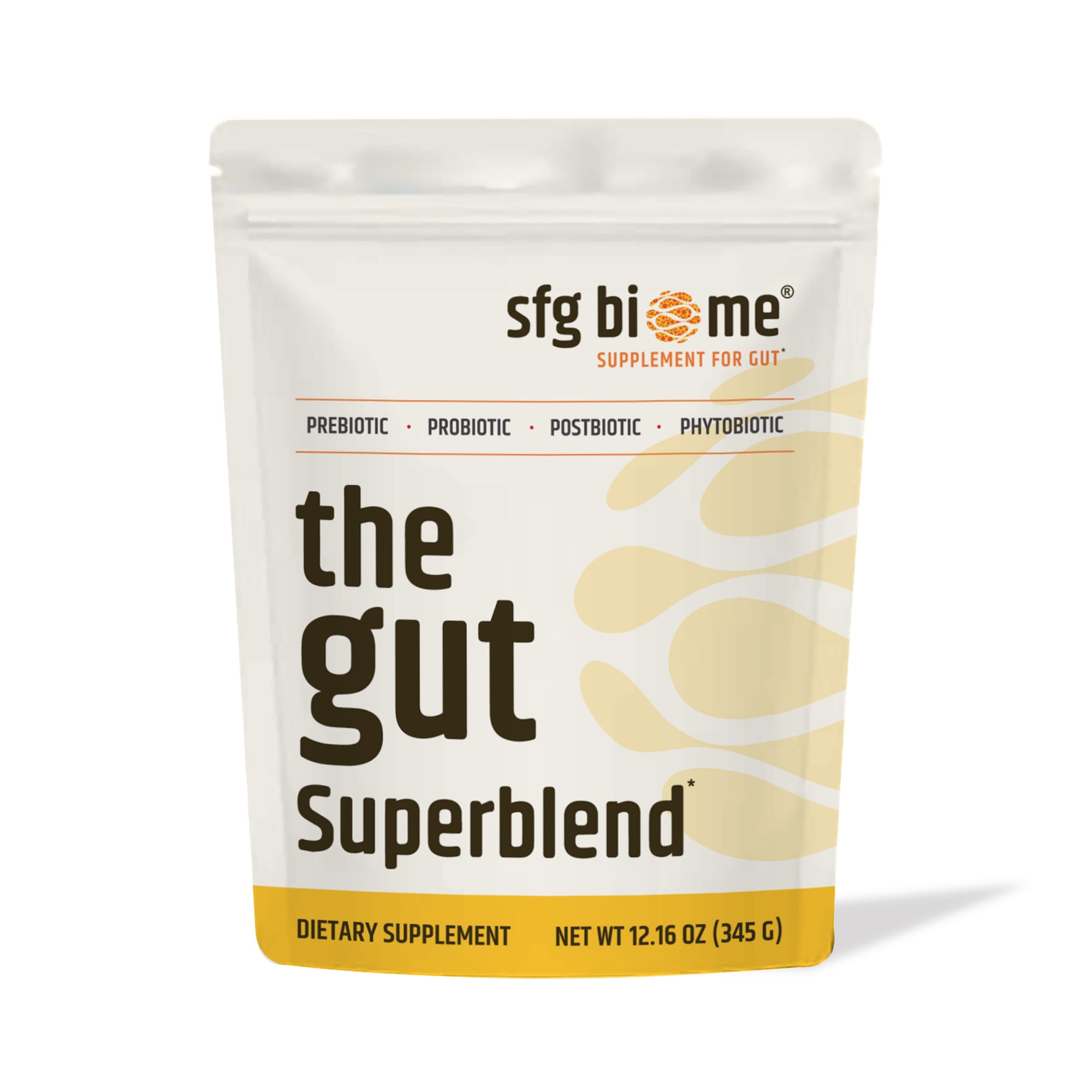
The Gut Superblend
Digestive Health, Energy & Focus
$72.00
SHOP NOW

Key Takeaway

Pumpkin is more than just a fall flavor it’s a year-round ally for gut health. With its unique mix of fiber, antioxidants, and minerals, it nourishes your microbiome, supports regularity, and supports digestive comfort naturally.

So next time you see pumpkin on your plate, think beyond the pie your gut will thank you.

FAQs

1. Can pumpkin help with constipation?
Yes. Its fiber and moisture content can help regulate bowel movements and eases mild constipation.

2. What pairs well with pumpkin for digestive balance?
Try combining pumpkin with spices like ginger, cinnamon, or turmeric, and probiotic foods such as yogurt or kefir.

3. Can pumpkin supplements replace real food?
While pumpkin seed extract or powders offer benefits, whole pumpkin provides fiber and nutrients that supplements alone can’t match. Always consult your healthcare provider before taking any supplement.

Scientific References

  • • Makki K, et al. (2018). The impact of dietary fiber on gut microbiota in human health and disease. Cell Host & Microbe, 23(6):705–715. Learn More
  • • Deledda A, Annunziata G, Tenore GC, Palmas V, Manzin A, Velluzzi F. (2021). Diet-Derived Antioxidants and Their Role in Inflammation, Obesity and Gut Microbiota Modulation. Antioxidants, 10(5):708. Learn More
  • • De Filippis F, et al. (2016). High-level adherence to a Mediterranean diet beneficially impacts the gut microbiota and associated metabolome. Gut, 65(11):1812–1821. Learn More
  • • De Filippis F, Pellegrini N, Vannini L, Jeffery IB, La Storia A, Laghi L, Serrazanetti DI, Di Cagno R, Ferrocino I, Lazzi C, Turroni S, Cocolin L, Brigidi P, Neviani E, Gobbetti M, O’Toole PW, Ercolini D. (2016). High-level adherence to a Mediterranean diet beneficially impacts the gut microbiota and associated metabolome. Gut, 65(11):1812–1821. Learn More