


Why Gut Health Matters for Cravings

Your gut and brain are constantly communicating through what scientists call the gut-brain axis. When your gut microbes are healthy and diverse, they help regulate hormones like ghrelin and leptin which control hunger and fullness.
But when these microbes are disturbed by stress, poor diet, or lack of fiber, the signals can get crossed, leading to more frequent cravings or overeating.
Here’s how that happens in simple terms:
- • An unbalanced gut microbiome can cause blood sugar spikes and crashes, which trigger sweet cravings.
- • Certain harmful bacteria feed on sugar and may send signals to the brain that encourage increased sugar intake.
- • Healthy bacteria produce compounds that support stable blood sugar levels and greater satiety, helping reduce cravings.
- • Soluble fiber dissolves in water, forming a soft gel that slows digestion and supports healthy cholesterol and blood sugar balance. You’ll find it in oats, apples, beans, and citrus fruits.
How Gut Health Supplements Help

Gut health supplements are designed to support the community of microbes living in your digestive tract helping bring back balance and variety.
1. Probiotics: Restoring Healthy Bacteria
Probiotics are live beneficial bacteria that support digestion and overall gut balance. Certain strains like Lactobacillus and Bifidobacterium have been studied for their role in reducing cravings by:
- • Supporting healthy serotonin levels, which influence mood and appetite.
- • Helping stabilize blood sugar levels and minimize sharp hunger swings.
- • Supporting a balanced gut environment that discourages overgrowth of sugar-loving microbes.
2. Prebiotics: Feeding the Good Bacteria
Prebiotics are non-digestible fibers that feed beneficial gut bacteria.
When your gut microbes are well-fed, they produce short-chain fatty acids (SCFAs) compounds that can help appetite by communicating fullness signals to the brain. Prebiotics are naturally found in foods like garlic, onions, bananas, and oats, but supplementing can be useful if your diet lacks enough fiber.
3. Postbiotics: The Next Generation of Gut Support
Postbiotics are the beneficial compounds produced when probiotics digest prebiotics. They don’t contain live bacteria, but they deliver many of the same benefits, including:
- • Supporting healthy inflammation balance in the gut.
- • Helping strong intestinal barrier function, which prevents digestive discomfort.
- • Supporting the gut-brain connection for balanced digestive functions.
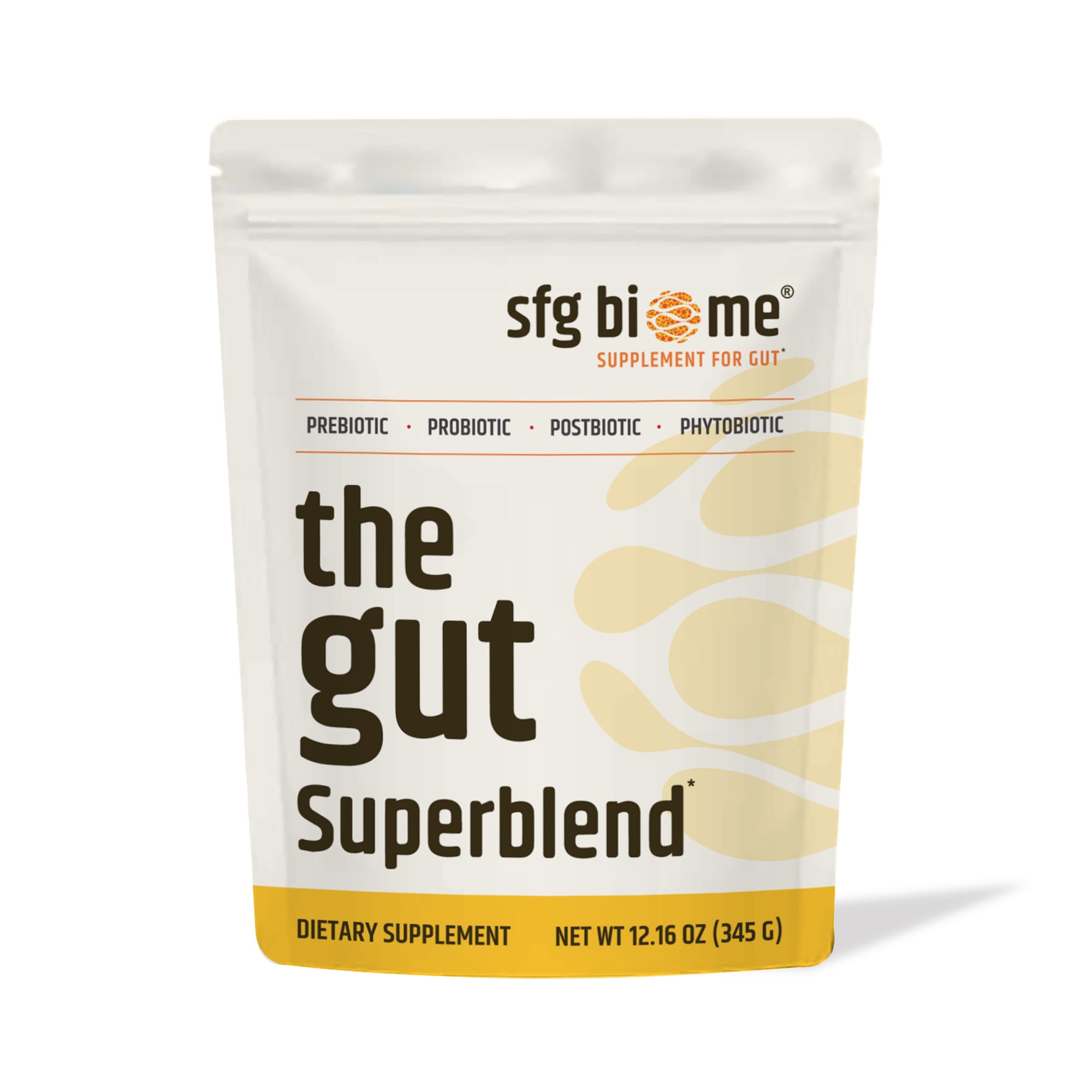
Together, these supplements help your gut send clearer, more balanced signals to your brain supporting better control over appetite and food choices.
Always consult your healthcare provider before starting any new dietary supplement, especially if you are pregnant, nursing, or taking prescription medications.
Lifestyle Habits That Support Gut and Appetite Health
Supplements work best when combined with healthy habits that keep your gut microbes thriving:
- • Eat more whole plant foods rich in fiber.
- • Stay hydrated to support digestion and nutrient absorption.
- • Get enough sleep, poor rest can increase hunger hormones.
- • Include a variety of fermented foods such as yogurt, kefir, or kimchi for natural probiotics.
Final Takeaway
Cravings aren’t always about lack of discipline they’re often your gut’s way of sending signals that something is off.
By supporting your digestive health with the right balance of probiotics, prebiotics, and postbiotics, along with mindful eating habits, you can help restore a healthier relationship between your gut and your appetite.
Think of it as nourishing your cravings from the inside out.
FAQs
1. How long does it take for gut health supplements to affect cravings?
Most people notice small changes in digestion or appetite after a few weeks of consistent use, though individual results vary depending on diet and lifestyle.
2. Are probiotics safe to take daily?
Yes, probiotics are generally safe for daily use. Always follow the recommended serving size and check with your healthcare professional before starting any new supplement.
3. Should I take prebiotics and probiotics together?
They work best together. Prebiotics feed the probiotics, creating a synergistic effect often referred to as the “synbiotic” relationship.
Scientific References
- • Mayer EA et al. (2015). Gut/brain axis and the microbiota. Journal of Clinical Investigation.
- • Tilg H, et al. (2020). Gut microbiota and metabolism in health and disease. Nature Reviews Gastroenterology & Hepatology.
- • Chambers ES, et al. (2015). Effects of targeted delivery of propionate to the human colon on appetite regulation. Gut Journal.
- • David LA, et al. (2014). Diet rapidly and reproducibly alters the human gut microbiome. Nature.
- • Cryan JF, et al. (2019). The microbiota–gut–brain axis. Physiological Reviews.
