


Turmeric: The Golden Spice for Digestive Calm

Turmeric, famous for its bright yellow hue, contains curcumin, a powerful plant compound known for its soothing properties.
How It Helps the Gut
- • Curcumin helps support intestinal inflammation and the integrity of the gut lining.
- • It supports the growth of beneficial gut bacteria while reducing the activity of harmful strains.
- • Research suggests curcumin can supports healthy bile flow, aiding in fat digestion and nutrient absorption.
Ginger: Nature’s Digestive Soother
If you have ever sipped ginger tea to ease an upset stomach, you have already experienced its gut benefits. Ginger contains compounds like gingerols and shogaols that supports digestive comfort.
How It Helps the Gut
- • Ginger supports digestive enzyme activity, helping food move smoothly through the GI tract.
- • It eases feelings of nausea and bloating.
- • Emerging studies show ginger’s bioactive compounds support microbial balance by encouraging beneficial bacteria growth.
Cumin: Small Seeds with Big Gut Benefits

Cumin has been valued in traditional medicine for supporting digestion and eases abdominal discomfort. Modern research is uncovering how it supports gut microbial balance, too.
How It Helps the Gut
- • Cumin aids in enzyme secretion, supports digestion and nutrient absorption.
- • It has antimicrobial properties that eases harmful gut bacteria.
- • Studies show cumin extract can eases symptoms of irritable bowel discomfort and support normal motility.
Why These Spices Work Together
When used together in meals, turmeric, ginger, and cumin create a synergistic effect enhancing each other’s digestive and anti-inflammatory benefits. Their natural plant compounds (like curcumin, gingerols, and cuminaldehyde) help feed beneficial microbes and reduce stress on the gut barrier.
This harmony between spices and your gut microbiome helps support overall digestive comfort and balance.
Simple Ways to Add Gut-Friendly Spices to Your Diet
- • Golden milk: Warm milk (dairy or plant-based) with turmeric, a pinch of black pepper, and honey.
- • Ginger-cumin tea: Boil fresh ginger with cumin seeds for a soothing digestive drink.
- • Spice-roasted vegetables: Toss carrots or sweet potatoes with turmeric and cumin.
- • Smoothies: Add grated ginger or a pinch of turmeric for a subtle zing and gut support.
- • Homemade spice blends: Mix turmeric, cumin, coriander, and ginger for seasoning rice or soups.
Final Takeaway
Small changes can make a big difference. Adding spices like turmeric, ginger, and cumin to your daily meals not only enhances flavor, it nourishes your gut.
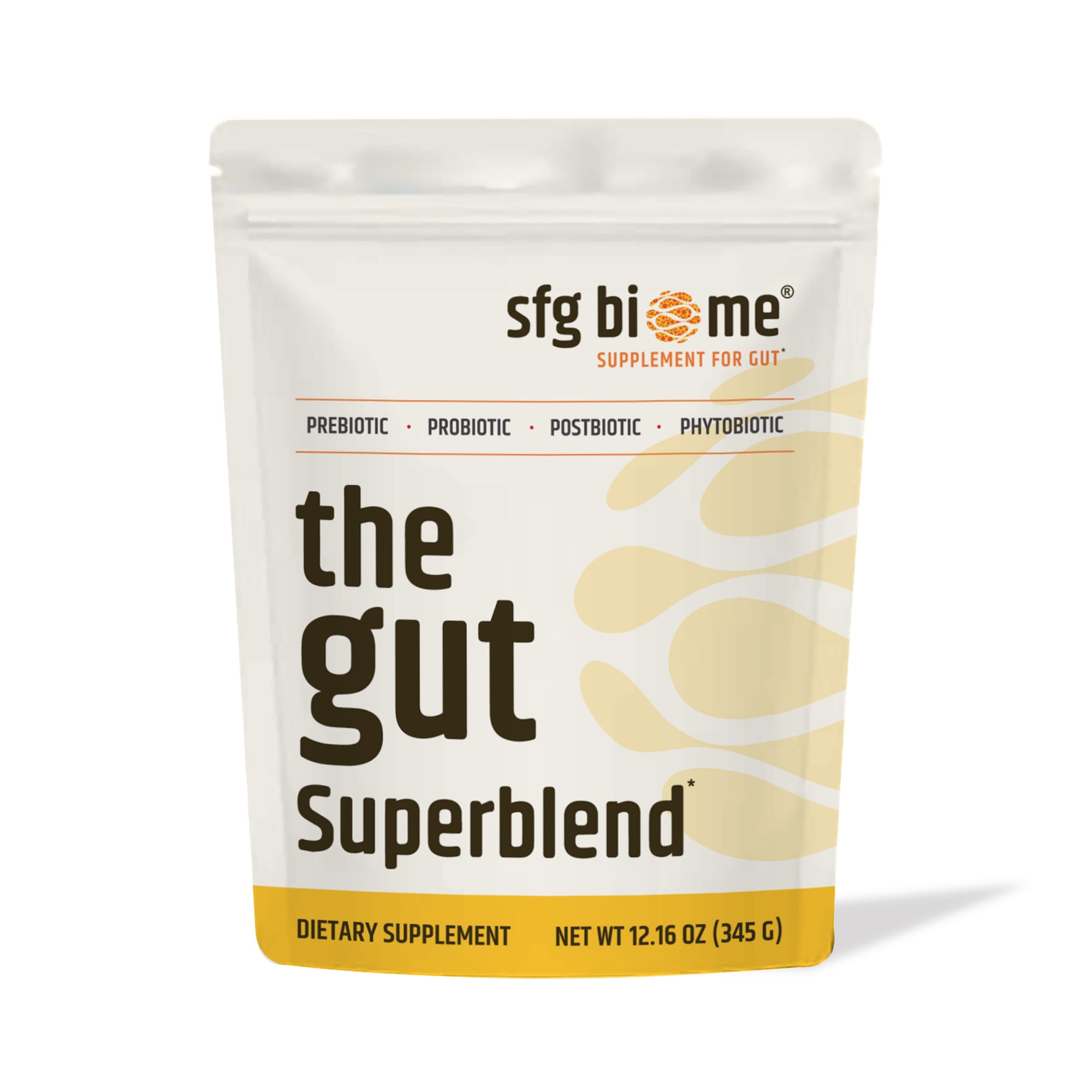
Their unique plant compounds help soothe digestion, balance gut bacteria, and support overall gut comfort. Whether through cooking or dietary supplements containing these extracts, these ancient spices continue to prove their modern gut-friendly benefits.
Always consult your healthcare provider before adding new supplements to your routine especially if you’re pregnant, breastfeeding, or managing a medical condition.
FAQs
1. Can I use these spices daily?
Yes, Moderate daily use in food is safe for most people and supports gut comfort naturally.
2. Can these spices help with bloating or indigestion?
Ginger and cumin, in particular, have been shown to reduce bloating and aid smoother digestion.
3. Is it safe to take all three together?
Yes. They complement each other well and can be safely included in meals or teas.
Scientific References
- • Wang et al. (2022): Curcumin and its Effects on Gut Microbiota. Frontiers in Microbiology.
- • Mashhadi N. S. et al. (2021): Ginger and Gut Microbial Diversity: Anti-Inflammatory and Digestive Effects. Nutrients.
- • Mahboubi M. et al. (2013): Effect of Cumin Extract on Digestive Symptoms: A Randomized Controlled Trial. Middle East Journal of Digestive Diseases.
- • Chakraborty S. et al. (2023): Spice-Derived Polyphenols and Gut Microbiota Modulation. Nutrients.
