


Understand the Difference Between Hunger and Cravings
During the holidays, cravings often come from emotional triggers rather than true hunger. Stress, excitement, or even seeing festive foods can prompt your brain to crave high sugar or high fat snacks. Learning to recognize true hunger versus cravings can help you make conscious choices.
Tips to Recognize Hunger
- • Eat slowly and pause to notice how your body feels
- • Drink water before snacking to see if thirst is mistaken for hunger
- • Ask yourself if you are genuinely hungry or just reacting to an emotional cue
By paying attention, you can savor treats without overindulging and maintain a sense of control.
Plan Your Meals and Treats Strategically

Planning is one of the simplest ways to enjoy holiday foods without guilt. Decide which treats are most meaningful to you and allocate space in your meals for them. This doesn’t mean restriction it means prioritizing what matters most and enjoying it fully.
Practical Ideas
An imbalance, known as dysbiosis, can show up as:
- • Enjoy a small portion of your favorite dessert rather than multiple samples
- • Include protein and fiber-rich foods before indulging in sweets to stay satisfied longer
- • Choose whole fruit options when possible, like baked apples or spiced pears
Planning ahead can help you enjoy treats without the regret.
Make Mindful Swaps Without Feeling Deprived
Small swaps can make a big difference while still letting you enjoy the flavors of the season.
Examples
- • Use Greek yogurt instead of heavy cream in desserts
- • Roast vegetables with festive spices instead of frying them
- • Choose whole grain crackers or nuts over processed snack mixes
These swaps allow you to enjoy similar flavors while maintaining steadier energy and fullness.
Move in Ways That Bring Joy

Physical activity is not only a way to burn extra calories, it also helps reduce stress, improve mood, and maintain balance. You don’t need intense workouts to feel the benefits.
Ideas for the Holidays
- • Take a walk after meals with family or friends
- • Try fun movement like dancing to holiday music
- • Schedule short stretching or mobility breaks during the day
Moving in enjoyable ways helps your body feel good and reduces the tendency to overeat.
Embrace Mindful Eating
Mindful eating encourages you to pay attention to your food and how it makes you feel. By slowing down and savoring each bite, you are more likely to notice when you are full, reducing the risk of overindulging.
Mindful Eating Tips
- • Eat without distractions like phones or TV
- • Chew slowly and notice flavors and textures
- • Pause halfway through your meal to check if you are satisfied
This simple practice makes enjoying food more intentional and rewarding.
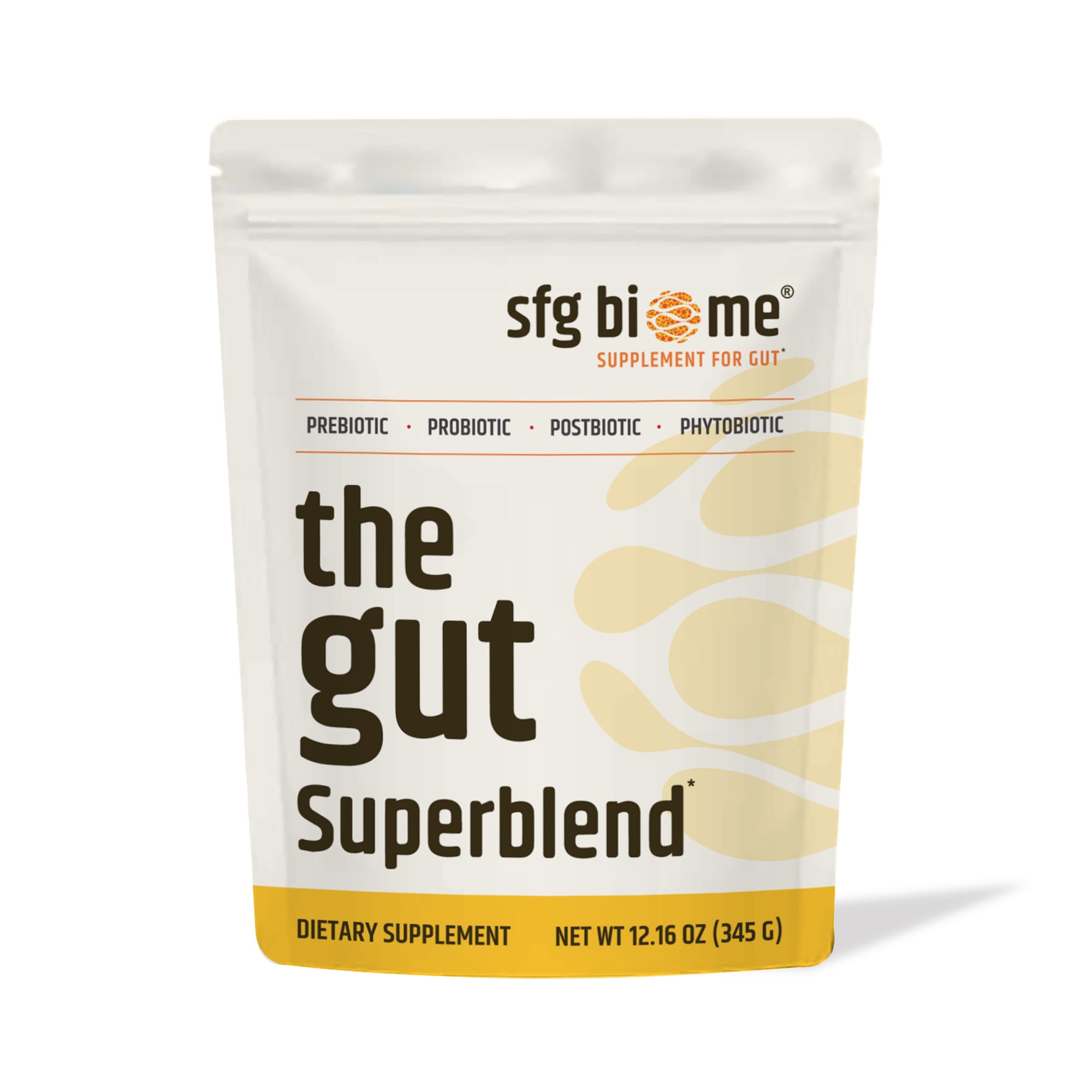
How Dietary Supplements Can Complement Your Holiday Routine
Supplements such as protein powders, fiber blends, or vitamin-rich options may help support satiety, energy, and overall nutrient intake during busy holiday meals.
Disclaimer: Always consult your healthcare provider before starting any supplement, especially if you are pregnant, breastfeeding, or have health conditions.
Final Takeaway
The holidays do not have to derail your health goals or leave you feeling guilty. By planning meals, practicing mindful eating, moving in enjoyable ways, and making small swaps, you can enjoy every treat while staying balanced. Remember that one indulgent day will not undo your progress. Sustainable habits and self-compassion are the true keys to a joyful, healthy holiday season.
FAQs
1. How can I avoid overeating at holiday parties?
Eat a small protein and fiber-rich snack before attending events. Focus on what matters most and enjoy smaller portions.
2. Are small swaps really effective?
Absolutely. Simple changes like roasted vegetables instead of fried ones or whole fruit for desserts can maintain enjoyment while improving nutrition.
3. Can supplements help me stay satisfied during the holidays?
Some supplements can complement your diet, but they should not replace whole foods. Always consult your healthcare provider first.
Scientific References
- • Dalen, J. et al. (2010). Mindful eating and its effects on psychological health. Journal of Obesity. Learn More
- • Sacks, F. et al. (2014). Dietary patterns and weight management. New England Journal of Medicine. Learn More
- • Wansink, B., & Chandon, P. (2006). Mindless eating Why we Eat more than we Think. Learn More
- • Slavin, J. L. (2005). Dietary fiber and satiety. Nutrition. Learn More
