


Why Gut Health Depends on Daily Choices
Your gut responds to patterns. It notices how often you eat, how rushed your meals are, how much variety shows up on your plate, and whether your body gets enough rest. When digestion feels off, it’s usually a signal that one or more of these patterns needs adjustment.
Understanding the right dos and don’ts helps you support gut health without overthinking it.
The Dos for a Healthy Gut
Do Eat Meals at Consistent Times
Your digestive system likes rhythm. Eating at similar times each day helps digestion function more smoothly and supports regularity.
Helpful habits:
- • Avoid skipping meals frequently
- • Try not to eat very late at night
- • Space meals evenly across the day
Consistency reduces stress on the digestive system.
Do Include a Variety of Plant Foods

Different plant foods provide different fibers and compounds that support microbial diversity.
Aim to:
- • Rotate fruits and vegetables weekly
- • Mix grains, legumes, nuts, and seeds
- • Use herbs and spices regularly
Variety matters more than eating “perfect” foods.
Do Pay Attention to How You Eat
Digestion starts before food reaches the stomach. Eating while rushed or stressed can affect digestive comfort.
Support digestion by:
- • Sitting down for meals
- • Slowing the first few bites
- • Avoiding distractions when possible
Calm eating sends supportive signals to your gut.
Do Stay Hydrated Throughout the Day
Water supports digestion by helping move food through the digestive tract.
Simple tips:
- • Sip water regularly
- • Include warm beverages like herbal tea
- • Avoid relying only on beverages during meals
Hydration works best when spread across the day.
Do Support Sleep and Recovery

Sleep plays a major role in digestive balance. Irregular or poor sleep can make digestion feel unpredictable.
Helpful steps:
- • Keep a consistent sleep schedule
- • Wind down before bedtime
- • Aim for adequate rest most nights
Better sleep often leads to better digestion.
The Don’ts for a Healthy Gut
Don’t Rely on Extreme Cleanses or Detoxes
Harsh cleanses and detox products may promise quick results, but they often disrupt normal digestive rhythms.
Instead of extreme resets:
- • Focus on regular meals
- • Choose nourishing foods
- • Support digestion gradually
Gentle consistency works better long term.
Don’t Eat the Same Foods Every Day
Repetition limits exposure to different fibers and nutrients.
Try to avoid:
- • Identical meals daily
- • Only “safe” foods for long periods
Rotation helps support a more resilient gut environment.
Don’t Ignore Stress Signals
Stress doesn’t stay in your head it affects digestion directly.
Chronic stress can:
- • Alter gut movement
- • Increase digestive sensitivity
- • Disrupt appetite cues
Managing stress is part of gut care, not separate from it.
Don’t Rush Fiber Increases
Fiber supports gut health, but increasing it too quickly may cause discomfort.
Avoid:
- • Adding large amounts of fiber suddenly
- • Ignoring hydration when increasing fiber
Build fiber intake slowly and steadily.
Don’t Expect Instant Results
Gut health get better over time. Expecting overnight changes often leads to frustration.
Instead:
- • Look for gradual outcomes
- • Focus on repeatable habits
- • Give your body time to adjust
Progress is usually steady, not dramatic.
Where Supplements May Fit
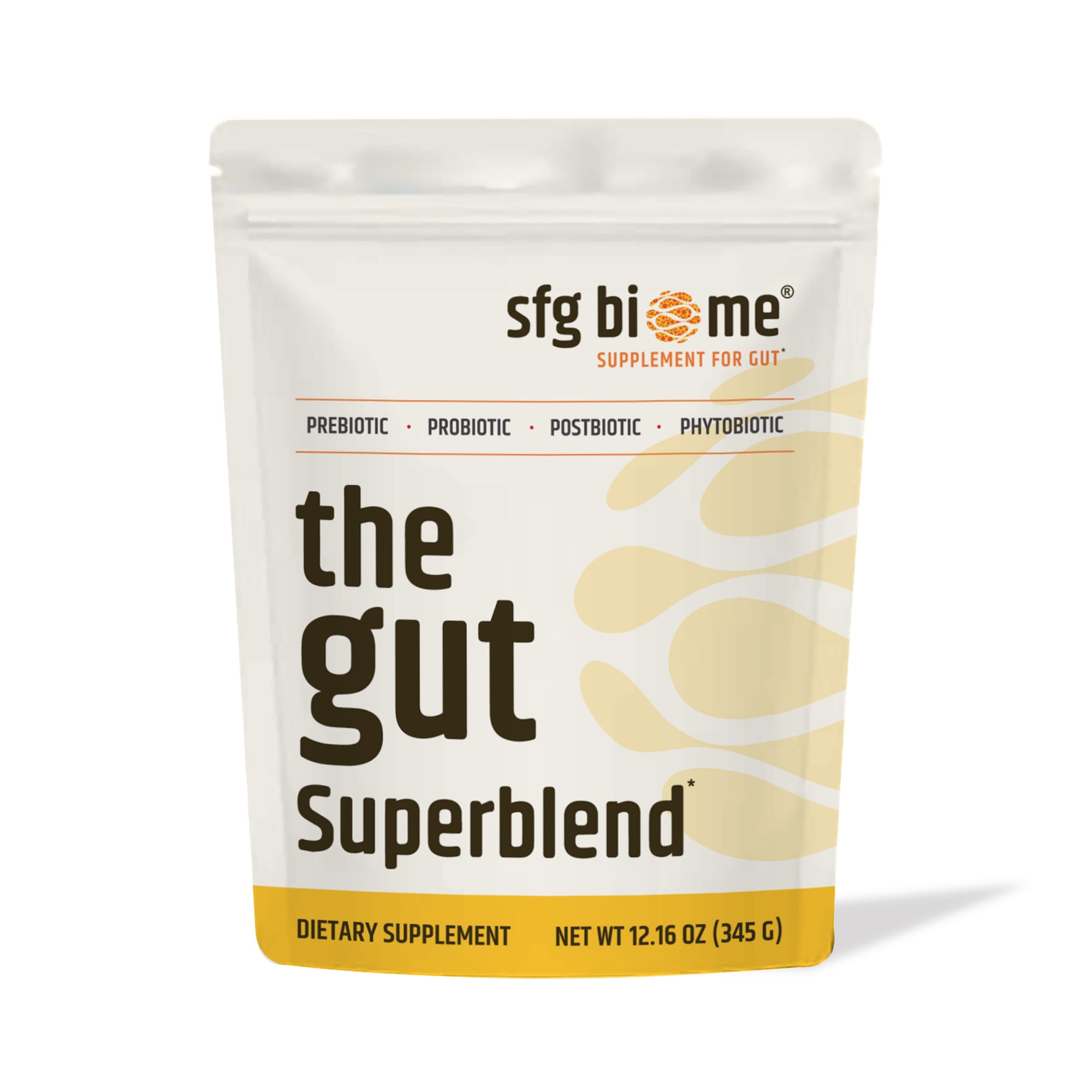
Some people choose gut health supplements to complement their routines especially during busy periods or dietary limitations.
Supplements may help support consistency, but they work best alongside healthy habits, not instead of them.
Always consult your healthcare provider before starting supplements, especially if you are pregnant, breastfeeding, taking medications, or managing a medical condition.
Final Takeaway
A healthy gut isn’t about strict rules or quick fixes. It’s built through everyday choices that support digestion gently and consistently.
By following these simple dos and avoiding common don’ts, you create an environment where your gut can function more comfortably over time without stress or extremes.
FAQs
1. How long does it take to see gut health improvements?
Some changes may appear within days, but meaningful digestive balance usually develops over weeks.
2. Is food more important than supplements for gut health?
For most people, daily habits and food choices matter more than supplements.
3. Should everyone follow the same gut health rules?
No. Gut responses are individual, which is why flexibility matters.
Scientific References
- • Fu J., et al. (2022). Dietary fiber intake and gut microbiota in human health. Nutrients. Learn More
- • Sejbuk M., et al. (2024). The role of the gut microbiome in sleep quality and circadian rhythm regulation. Nutrients. Learn More
- • Valdes A. M., et al. (2023). Role of the gut microbiome in nutrition and health. BMJ. Learn More
