


5 Foods That Support a Healthy Gut
1. Oats

Oats are one of the most reliable gut-supportive foods because they contain a unique type of soluble fiber called beta-glucan. This fiber forms a gentle gel in the digestive tract, helping regulate digestion and support regularity.
Why oats support gut health:
- • Feed beneficial gut microbes
- • Support smooth digestion
- • Help maintain digestive comfort
Oats are also easy to tolerate for many people and can be prepared warm, which often feels gentler on digestion especially in the morning.
Simple ways to include oats
- • Cooked oatmeal with fruit
- • Overnight oats
- • Oat porridge with nuts or seeds
2. Yogurt with Live Cultures
Yogurt made with live and active cultures provides naturally occurring microorganisms that interact with your gut environment. Yogurt delivers protein and nutrients that support overall digestion.
Why yogurt supports the gut:
- • Introduces live cultures through food
- • Helps support microbial balance
- • Often easier to digest than milk
Look for plain yogurt with clearly labeled live cultures. Sweetened versions can still be enjoyed, but moderation helps maintain digestive balance.
3. Lentils
Lentils are rich in fermentable fibers that beneficial gut microbes use as fuel. They also provide plant-based protein, making them both filling and supportive of digestive health.
Why lentils help digestion:
- • Provide fiber for microbial fermentation
- • Support regular bowel movements
- • Contribute to gut microbial diversity
Cooking lentils thoroughly and starting with small portions can help tolerance if you are not used to them.
Easy lentil ideas
- • Lentil soup
- • Lentil salad
- • Lentils added to rice or vegetables
4. Bananas (Especially Slightly Underripe)

Bananas are gentle, familiar, and surprisingly gut-supportive. Slightly underripe bananas contain resistant starch, a type of carbohydrate that reaches the colon intact and supports beneficial microbes.
Why bananas support gut comfort:
- • Gentle on digestion
- • Provide fermentable fuel for gut microbes
- • Easy to include daily
They are especially helpful during times when digestion feels sensitive or irregular.
How to use bananas
- • Sliced into oats
- • Blended into smoothies
- • Eaten alone as a snack
5. Fermented Vegetables (Such as Sauerkraut or Kimchi)
Fermented vegetables are created through natural fermentation, which produces organic acids and beneficial compounds that interact with the gut environment.
Why fermented vegetables support gut health:
- • Provide microbial byproducts from fermentation
- • Add variety to the diet
- • Support microbial activity when consumed in small amounts
These foods are potent, so small servings are usually enough.
Start gently
- • 1–2 tablespoons with meals
- • Increase slowly based on comfort
Why Food Consistency Matters More Than Perfection
These foods work best when eaten regularly, not occasionally. Gut microbes respond to what shows up consistently, not what appears once in a while.
Rather than focusing on eating all five foods every day:
- • Rotate them across the week
- • Choose 1–2 per day
- • Pay attention to comfort
This flexible approach supports gut health without creating stress around eating.
Can Supplements Complement These Foods?

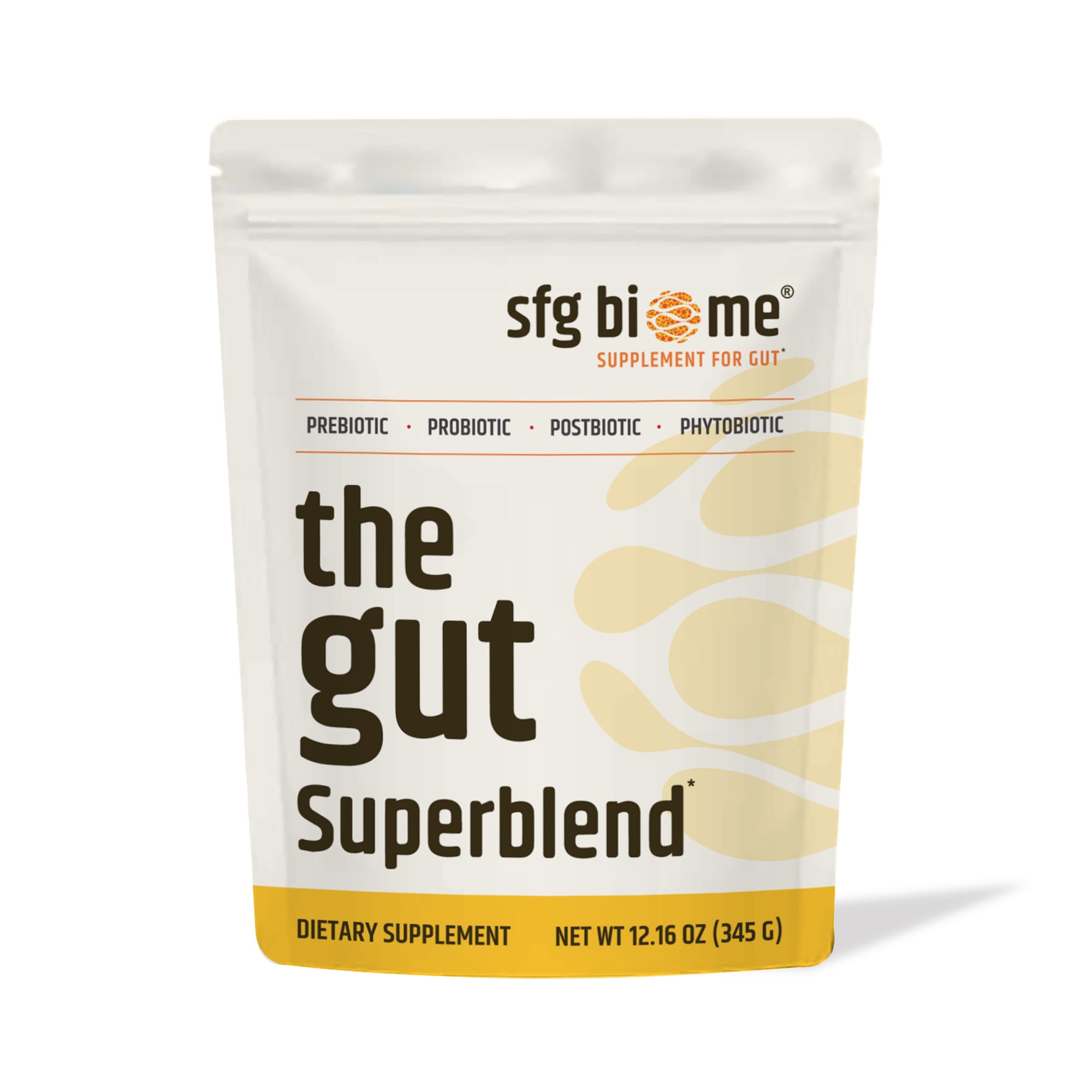
In some cases, people use gut health supplements to complement their diet especially when food variety is limited or routines are disrupted.
Supplements support gut health, but they are most effective alongside supportive food habits, not as replacements.
Always consult your healthcare provider before starting supplements, especially if you are pregnant, breastfeeding, taking medications, or managing a medical condition.
Final Takeaway
Supporting gut health doesn’t require exotic foods or complicated plans. Simple, familiar foods when eaten consistently can naturally support digestion and microbial balance.
Oats, yogurt, lentils, bananas, and fermented vegetables offer a practical, food-first foundation for a healthier gut. Small choices, repeated often, tend to matter more than dramatic changes.
FAQs
1. How quickly can gut health improve with food changes?
Some people notice digestive comfort changes within days, while deeper balance usually develops over weeks.
2. Do I need to eat all five foods daily?
No. Rotating these foods across the week is enough to support gut diversity.
3. Are supplements better than food for gut health?
Food provides broader benefits. Supplements can complement but not replace healthy eating.
Scientific References
- • Fu J., et al. (2022). Dietary fiber intake and gut microbiota in human health. Nutrients. Learn More
- • Wastyk H. C., et al. (2021). Gut-microbiota-targeted diets modulate human immune status. Cell. Learn More
- • Valdes A. M., et al. (2023). Role of the gut microbiome in nutrition and health. BMJ. Learn More
- • Marco M. L., et al. (2021). Health benefits of fermented foods: microbiota and beyond. Current Opinion in Biotechnology. Learn More
