


Why Gut Comfort Is About Support, Not Control
Your digestive system is responsive. It adjusts to what you eat, how you eat, and how your day unfolds. When digestion feels uncomfortable, it’s often reacting to inconsistency rather than a single “bad” food or habit.
Instead of trying to control every variable, a more effective approach is to support digestive function gently and consistently.
Eat in a Way That Feels Predictable to Your Body

Your gut works best when it can anticipate what’s coming.
Keep Meals Simple and Steady
Rather than changing your diet every few days:
- • Stick to familiar meal structures
- • Avoid skipping meals and then overeating
- • Aim for similar portion sizes
Research shows that regular eating patterns support digestive processes and overall metabolic stability.
Add Soft Structure to Your Day
Digestive comfort isn’t only about food. It’s also influenced by how structured or chaotic your day feels.
Create Gentle Daily Anchors
Helpful anchors include:
- • Eating meals at similar times
- • Starting mornings at a consistent pace
- • Allowing time to eat without rushing
These habits reduce internal stress signals that can interfere with digestion.
Focus on Food Texture, Not Just Food Type
Many gut discomfort conversations focus on what to eat, but how food is prepared also matters.
Choose Textures That Feel Easier to Digest
For many people, comfort improves with:
- • Warm meals instead of cold ones
- • Cooked vegetables instead of large raw portions
- • Soft grains like oats or rice
Texture plays a role in how digestion feels after eating.
Support Hydration in a Digestive-Friendly Way
Hydration supports digestion, but timing and form matter.
Sip Fluids Across the Day
Instead of drinking large amounts at once:
- • Sip water regularly
- • Include warm beverages like herbal teas
- • Pair fluids with meals rather than chugging afterward
Adequate hydration supports smooth digestive movement and comfort.
Pay Attention to How You Eat, Not Just What You Eat
The digestive system responds to signals from the nervous system.
Calm Eating Supports Comfortable Digestion
Helpful habits include:
- • Sitting down to eat
- • Slowing the first few bites
- • Avoiding eating while highly stressed
Studies suggest that stress and digestion are closely linked, influencing gut sensitivity and function.
Gentle Movement Encourages Digestive Ease
Movement doesn’t have to be intense to support gut comfort
Choose Movement That Feels Supportive
Examples:
- • Walking after meals
- • Light stretching
- • Daily mobility exercises
These activities encourage circulation and digestive flow without overstimulation.
Allow Time for Digestion to Adjust
Many people expect immediate changes, but digestion often responds gradually.
Look for Subtle Signs of Improvement
Progress may show up as:
- • Less heaviness after meals
- • More predictable digestion
- • Reduced discomfort over time
Consistency matters more than speed.
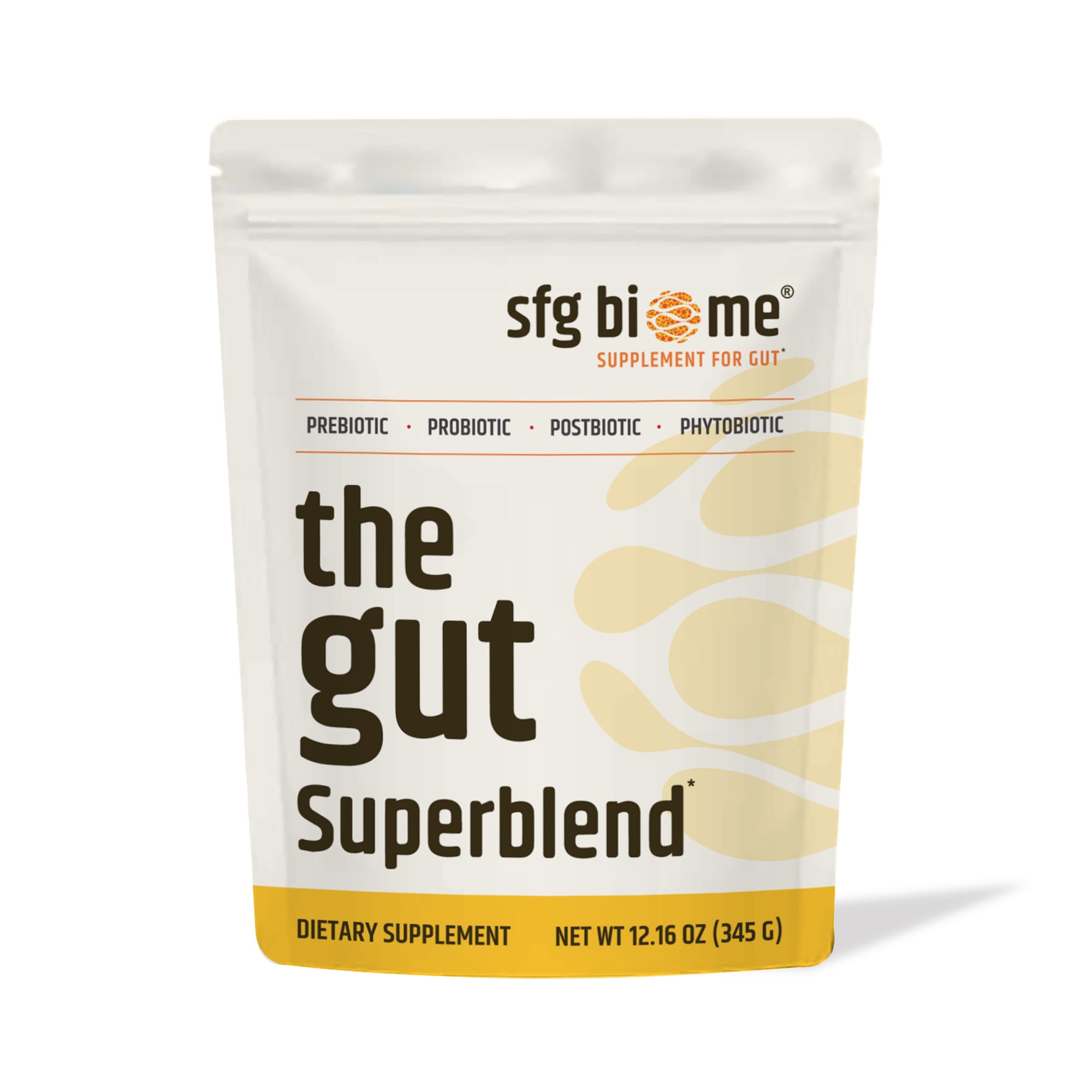
Where Supplements May Offer Extra Support

For some people, supplements can help support digestive comfort especially during periods of routine disruption.
These are best used alongside supportive habits, not as replacements.
Always consult your healthcare provider before starting supplements, especially if you are pregnant, breastfeeding, taking medications, or managing a medical condition.
Final Takeaway
A happier, more comfortable gut isn’t built through restriction or constant fixing. It’s supported through simple, repeatable actions that help digestion feel steady and calm.
By focusing on predictability, gentle structure, supportive food choices, hydration, movement, and stress awareness, you give your digestive system what it needs to function comfortably day after day.
FAQs
1. Do I need to eliminate foods to support my gut?
Not necessarily. Many people benefit more from consistency and preparation methods than from elimination.
2. Can stress alone cause digestive discomfort?
Yes. Stress can influence gut sensitivity and digestion even when diet stays the same.
3. Is movement really important for digestion?
Gentle, regular movement supports digestive flow and comfort.
Scientific References
- • Fu J., et al. (2022). Dietary fiber intake and gut microbiota in human health. Nutrients. Learn More
- • Sejbuk M., et al. (2024). The role of gut microbiome in sleep quality and circadian rhythm regulation. Nutrients. Learn More
- • Wastyk H. C., et al. (2021). Gut-microbiota-targeted diets modulate human immune status. Cell. Learn More
