


Why the New Year Is a Natural Time to Focus on Gut Health
Your gut responds strongly to routine. During the holidays routines often disappear meal timing shifts, food choices become inconsistent, and stress levels rise. January offers a natural pause to re-establish patterns that support digestive comfort and balance.
Rather than “resetting” your gut, the goal is to re-stabilize it by restoring consistency, variety, and supportive daily rhythms.
Build Gut Support Around Consistency, Not Restriction
One of the biggest mistakes people make in January is trying to undo everything at once. Extreme cleanses, food elimination, or skipping meals can create more stress for digestion.
Eat Regularly to Support Digestive Rhythm
Your digestive system works best when it knows what to expect.
Helpful habits include:
- • Eating meals at roughly the same times each day
- • Avoiding long gaps followed by very large meals
- • Including balanced snacks when days run long
Regular eating patterns help support predictable digestion and ease discomfort caused by erratic intake.
Prioritize Food Variety to Support the Microbiome
The gut microbiome thrives on diversity. Eating the same foods every day even “healthy” ones can limit microbial variety over time.
Make Fiber a Daily Habit, Not a January Goal
Fiber plays a central role in gut function, but many people fall short especially after the holidays.
Spread Fiber Intake Across the Day

Rather than loading fiber into one meal, distribute it gently:
- • Fruit or oats at breakfast
- • Vegetables or whole grains at lunch
- • Beans, lentils, or vegetables at dinner
Gradual, consistent fiber intake is easier for digestion and more sustainable long term.
Adjust Food Preparation for Digestive Comfort
How food is prepared can matter just as much as what you eat especially when restarting routines.
Cooked Foods Can Feel More Supportive in January
After a busy season, many people find warm, cooked foods easier to digest than large amounts of raw produce.
Examples include:
- • Soups and stews
- • Roasted vegetables
- • Cooked grains and legumes
These foods often feel grounding and comforting while still supporting gut balance.
Don’t Overlook Sleep and Stress in Gut Health
Gut health is influenced by more than diet alone. Sleep and stress directly affect digestive function and regularity.
Re-Establish a Sleep Routine
Consistent sleep supports digestion by helping regulate appetite signals and daily rhythms.
Try:
- • Fixed bed and wake times
- • Reduced screen use before bed
- • A short wind-down routine
Even modest changes in sleep consistency can positively impact gut comfort.
Focus on Daily Movement

Light movement encourages digestion and circulation.
Examples:
- • Walking after meals
- • Stretching in the morning
- • Gentle yoga or mobility work
Consistency matters more than intensity.
Where Gut Health Supplements May Fit In

For some people, habits alone may be enough to restore gut balance. For others, busy schedules, travel, or dietary limitations can make consistency challenging.
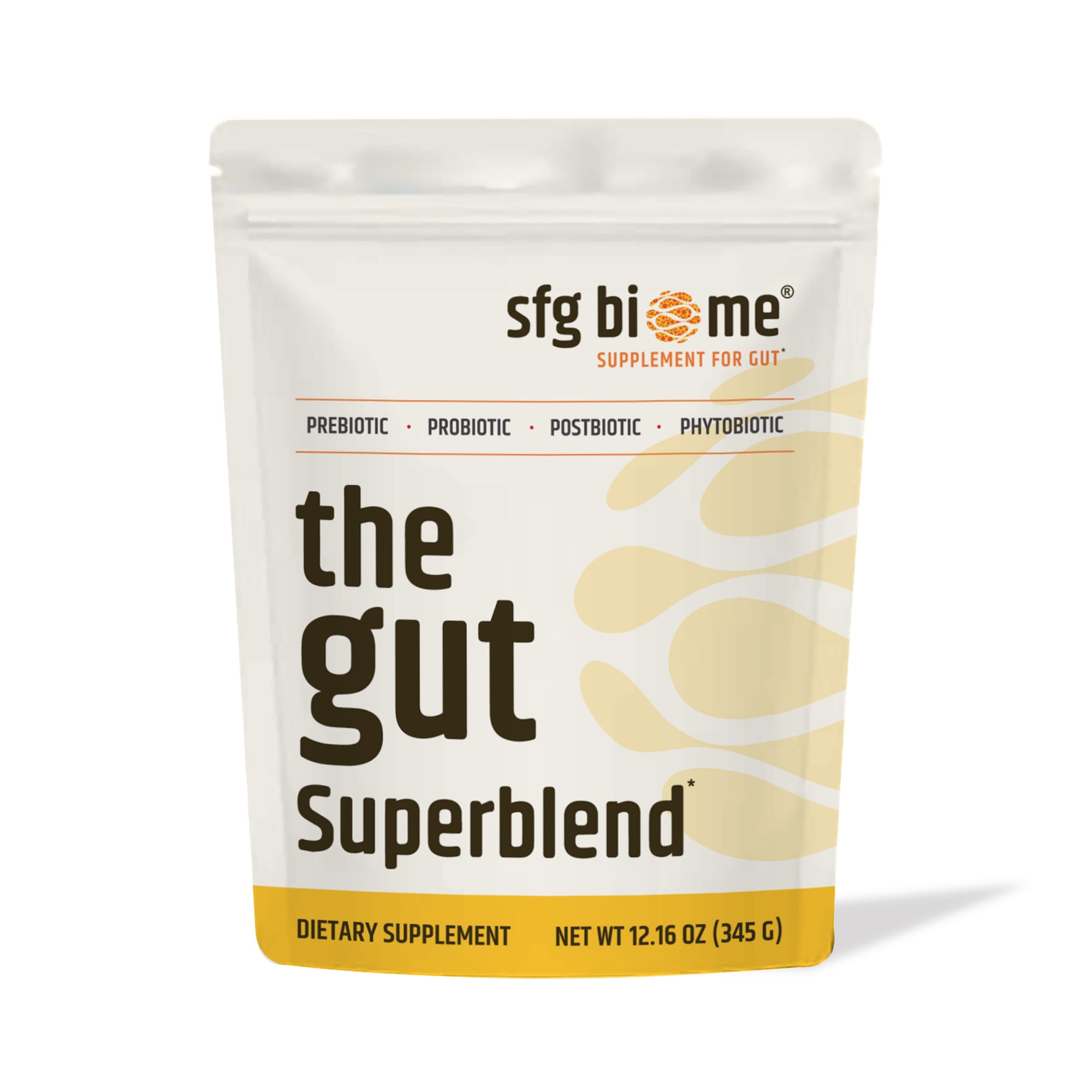
In those cases, gut health supplements such as probiotics, prebiotics, or postbiotics help complement healthy habits not replace them.
Supplements are best viewed as tools that support routines when food variety or consistency is temporarily limited.
Disclaimer: Always consult your healthcare provider before starting any supplement, especially if you are pregnant, breastfeeding, taking medications, or managing a health condition.
What to Expect as You Start the Year
Gut changes are gradual. Many people notice:
- • Better comfort within days
- • More predictable digestion over weeks
- • Better tolerance to a wider range of foods
Patience and consistency are key. A healthy gut is built, not rushed.
Final Takeaway
A fresh start for your gut doesn’t require drastic measures. By focusing on regular meals, food variety, gentle fiber intake, consistent sleep, daily movement, and thoughtful support when needed, you create an environment where your gut can naturally rebalance.
January isn’t about fixing your gut it’s about giving it steady, supportive habits it can rely on all year long.
FAQs
1. Do I need a gut reset after the holidays?
Most people benefit more from consistent habits than from extreme resets or cleanses.
2. How quickly does gut balance restore?
Some changes happen within days, but meaningful outcomes usually develop over weeks of consistency.
3. Can stress really affect digestion?
Yes. Stress influences digestive comfort, which is why lifestyle habits matter.
Scientific References
- • David L. A., et al. (2014). Diet rapidly and reproducibly alters the human gut microbiome. Nature. Learn More
- • Makki K., Deehan E. C., Walter J., Bäckhed F. (2018). The impact of dietary fiber on gut microbiota in host health. Cell Host & Microbe. Learn More
- • Zmora N., et al. (2019). Personalized gut mucosal colonization resistance to probiotics. Cell. Learn More
