


What “Gut Health” Really Means
Your gut is responsible for breaking down food, absorbing nutrients, and supporting daily comfort. Inside your digestive system lives a community of microorganisms that interact with what you eat and how you live.
When daily habits support this system, digestion tends to feel smoother and more predictable. When habits become inconsistent due to stress, travel, poor sleep, or limited food variety digestive balance can feel harder to maintain.
That’s why gut health is not just about supplements. It’s about the environment you create for your body every day.
Why Daily Habits Matter First

Before considering supplements, it’s important to look at everyday behaviour’s that strongly influence digestion.
1. Eating Patterns Shape Digestive Comfort
Skipping meals, eating late at night, or relying heavily on processed foods can make digestion feel irregular. Regular meals with balanced nutrients help your digestive system work more smoothly.
Habits that help include:
- • Eating meals at consistent times
- • Including fiber-rich foods like fruits, vegetables, and whole grains
- • Chewing food slowly and mindfully
These small actions often make a noticeable difference on their own.
2. Food Variety Supports Balance
Eating the same foods every day may limit the range of nutrients your gut receives. A varied diet introduces different fibers and plant compounds that support digestive diversity.
Simple ways to add variety:
- • Rotate fruits and vegetables each week
- • Mix grains like oats, rice, and quinoa
- • Add beans, lentils, or nuts regularly
You don’t need perfection, just gradual variety over time.
3. Lifestyle Habits Affect Digestion More Than You Think

Digestion doesn’t happen in isolation. Sleep, stress, and movement all influence how your gut feels.
- • Sleep: Poor sleep can disrupt digestion and appetite patterns
- • Stress: Ongoing stress may affect gut comfort and regularity
- • Movement: Gentle daily movement helps support digestion
Improving even one of these areas can positively impact digestive well-being.
So Where Do Gut Health Supplements Fit In?
Supplements aren’t meant to replace good habits. Instead, they can help support consistency when life makes habits harder to maintain.
People often consider gut health supplements when:
- • Diet lacks enough fiber or variety
- • Travel disrupts routines
- • Stress levels are high
- • Meals become irregular
- • Digestive comfort feels inconsistent
In these situations, supplements can act as a helpful addition not a shortcut.
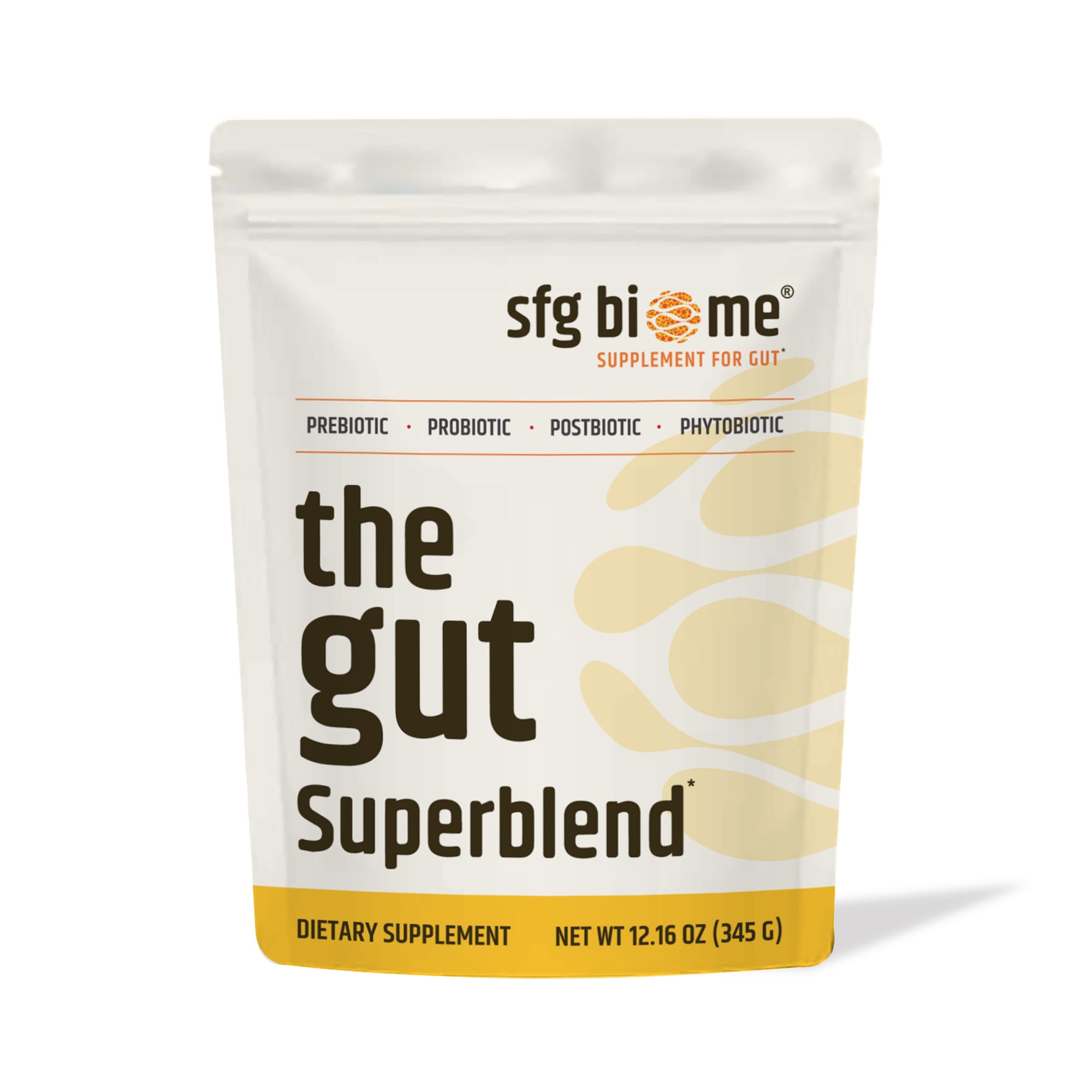
Common Types of Gut Health Supplements
Understanding what supplements do (and don’t do) helps set realistic expectations.
Probiotics
Probiotics contain live microorganisms. They are often used to support digestive balance, especially after routine disruptions.
They work best when paired with:
- • Consistent meals
- • Fiber-rich foods
- • Healthy sleep and stress habits
Prebiotics
Prebiotics are fibers that help nourish beneficial gut bacteria already present in your system. They’re also found naturally in foods like oats, bananas, onions, and garlic.
Supplemental prebiotics help when dietary fiber intake is low.
Postbiotics
Postbiotics are compounds produced when beneficial microbes break down fiber. They do not contain live bacteria and may be easier for some people to tolerate.
They are often chosen by those seeking gentle digestive support.
When Habits Alone May Be Enough
Some people find that improving habits alone leads to noticeable digestive improvements.
Habits may be sufficient if:
- • Meals are regular and balanced
- • Diet includes a variety of plant foods
- • Stress is manageable
- • Sleep is consistent
- • Digestive comfort is generally stable
In these cases, supplements may not be necessary.
When Supplements Can Be Helpful
Supplements may provide additional support when:
- • Life feels busy or unpredictable
- • Eating patterns change frequently
- • Travel or stress disrupts routines
- • Digestive comfort fluctuates
They are most effective when used alongside healthy habits, not instead of them.
What to Expect From a Balanced Approach
Gut health changes rarely happen overnight. Whether you focus on habits, supplements, or both, consistency matters most.
Many people notice:
- • Gradual improvements over weeks
- • Better digestive predictability
- • Improved comfort with regular routines
Patience and flexibility go a long way.
Final Takeaway
You don’t have to choose between gut health supplements and better habits. The strongest approach is often a combination of both.
Start with habits that support digestion regular meals, food variety, sleep, and stress management. If life makes those habits harder to maintain, supplements can help fill the gaps.
Gut health isn’t about doing everything perfectly. It’s about creating steady support your body can rely on day after day.
FAQs
1. Do gut health supplements work on their own?
Supplements work best when combined with healthy habits like balanced eating, sleep, and stress management.
2. Can stress really affect digestion?
Yes. Stress can influence gut comfort and regularity, making lifestyle habits important.
3. Should I talk to a healthcare provider before using supplements?
Yes. Always consult a healthcare provider, especially if you are pregnant, breastfeeding, taking medications, or managing a health condition.
Scientific References
- • Leidy H. J., et al. (2015). The role of protein and regular eating patterns in appetite control and weight management. Advances in Nutrition. Learn More
- • Slavin J. L. (2013). Dietary fiber and body weight regulation. Nutrition. Learn More
- • Irwin M. R. (2015). Why sleep is important for health: a psychoneuroimmunology perspective. Annual Review of Psychology. Learn More
- • McFarland L. V. (2015). From yaks to yogurt: The history, development, and current use of probiotics. Clinical Infectious Diseases. Learn More
