


Why Healthy Foods Can Sometimes Feel Harder to Digest

Many healthy meals contain large amounts of fiber. Fiber is important because it helps support digestive balance and helps food move through the gut. But eating too much fiber at one time can sometimes leave you feeling overly full or bloated.
Think about a large salad filled with kale, broccoli, cabbage, beans, nuts, and seeds. Even though the meal may not feel “heavy” like fried food, your digestive system still has to break down all those plant fibers.
Raw vegetables can also take more effort to digest than cooked foods. Cooking softens plant fibers, which may help some people feel more comfortable after meals. Raw foods still offer nutrients, but they may feel harder on sensitive stomachs when eaten in large amounts.
Smoothies can create a similar problem. Many people add protein powder, nut butter, chia seeds, oats, spinach, berries, and supplements into one drink. While it sounds healthy, that is a lot for the gut to process quickly, especially when it is consumed fast.
Cold and Raw Meals Can Feel Different Inside the Gut
Many light meals are cold foods, smoothies, yogurt bowls, salads, iced protein shakes, or refrigerated snacks.
Cold foods are not “bad,” but some people notice they feel heavier or slower after eating large cold meals, especially first thing in the morning.
Warm meals may sometimes feel gentler because heat naturally softens food texture. Soups, cooked vegetables, oatmeal, or warm grain bowls may feel easier on digestion for some people compared to large raw meals.
This does not mean you should avoid salads or smoothies completely. It simply means balance matters. Your gut may respond better when raw foods are mixed with cooked foods instead of eating huge amounts all at once.
Bigger Healthy Meals Are Still Bigger Meals
Sometimes a meal feels “light” mentally because it is healthy, but physically it may still be very large.
A smoothie bowl topped with granola, fruit, nut butter, seeds, and yogurt may contain more volume than expected. The same goes for giant salads loaded with toppings.
Your stomach still has to stretch and process everything, even when the meal contains healthy ingredients.
Many people also eat healthy foods very quickly because they believe they are “safe” foods. But eating large amounts too fast can leave the digestive system feeling overloaded.
This is one reason why slowing down during meals can make a noticeable difference in digestive comfort.
Small Eating Habits That May Help Your Gut Feel Better

You do not need to fear healthy foods. Often, small changes may help meals feel more comfortable and balanced.
Some simple habits include:
- • Eating more slowly and chewing food well
- • Mixing raw vegetables with cooked foods
- • Avoiding oversized “healthy” meals
- • Giving your body time between meals
- • Drinking smoothies slowly instead of rushing them
- • Paying attention to how certain foods make you feel personally
Your gut is unique. What feels great for one person may feel heavy for another.
Learning how your body responds can help you build eating habits that feel supportive, realistic, and easier to maintain.
Final Thoughts
Healthy eating should not leave you feeling uncomfortable all day.
Sometimes the issue is not that a food is unhealthy. The real issue may be portion size, meal balance, eating speed, stress, or too many high-fiber ingredients at once.
Your gut does not care about food trends or perfect-looking meals. It cares about how well food works with your body.
Simple, balanced meals, slower eating habits, and better consistency may help your digestion feel more comfortable over time.
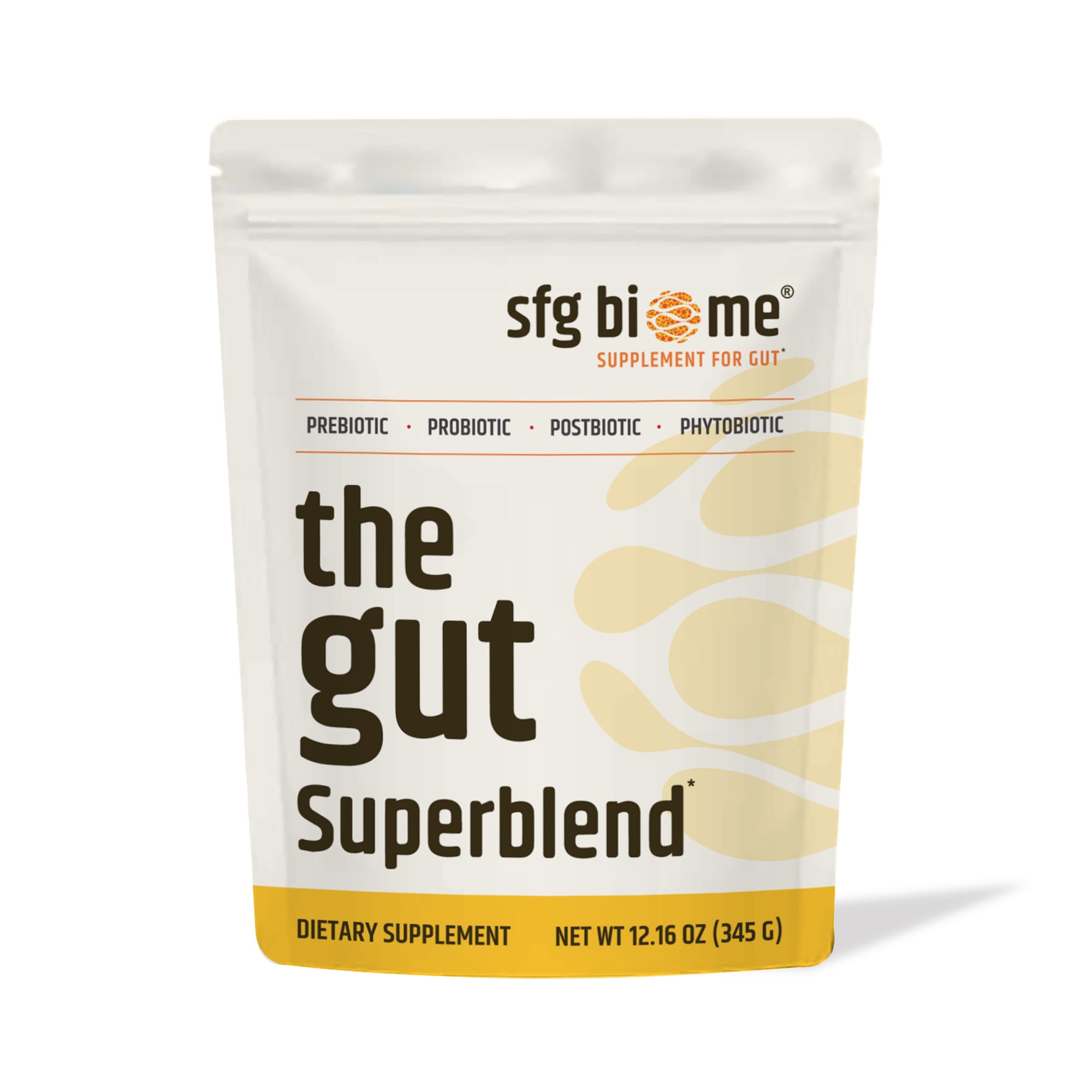
If you are looking for additional digestive support, some people also explore digestive enzymes, probiotics, or gut health supplements as part of a balanced wellness routine. Choosing high-quality supplements made in GMP-certified facilities with carefully selected ingredients may help support everyday digestive comfort.
FAQs
1. Why do salads sometimes make me feel bloated?
Large salads often contain high amounts of raw fiber, which may feel harder for some people to digest, especially when eaten quickly.
2. Can smoothies feel heavy on digestion?
Yes. Smoothies with many ingredients like protein powders, seeds, nut butters, and fiber can sometimes feel overly filling or heavy.
3. Are cooked vegetables easier to digest than raw vegetables?
For some people, yes. Cooking softens plant fibers, which may help meals feel gentler on digestion.
Scientific References
- • Garcidueñas-Fimbres TE, Paz-Graniel I, Nishi SK, Salas-Salvadó J, Babio N. Eating Speed, Eating Frequency, and Their Relationships with Diet Quality, Adiposity, and Metabolic Syndrome, or Its Components. Nutrients. 2021 May 15;13(5):1687. doi: 10.3390/nu13051687. PMID: 34063439; PMCID: PMC8156274. Learn More
- • Lopez-Minguez J, Gómez-Abellán P, Garaulet M. Timing of Breakfast, Lunch, and Dinner. Effects on Obesity and Metabolic Risk. Nutrients. 2019 Nov 1;11(11):2624. doi: 10.3390/nu11112624. PMID: 31684003; PMCID: PMC6893547. Learn More
- • Sensoy I. A review on the food digestion in the digestive tract and the used in vitro models. Curr Res Food Sci. 2021 Apr 14;4:308-319. doi: 10.1016/j.crfs.2021.04.004. PMID: 34027433; PMCID: PMC8134715. Learn More
