


What Is the Gut Microbiome?
Your gut microbiome is made up of trillions of bacteria and other microbes living mostly in your intestines. While the word “bacteria” sounds negative, many of these microbes help digestion and overall wellness.
Different bacteria prefer different types of foods. Some thrive on fiber-rich foods like fruits, vegetables, oats, beans, and whole grains. Others respond to sugary or highly processed foods. Over time, your daily eating habits help shape which bacteria grow more in your gut.
Why Your Gut Likes Routine
Your digestive system works best when it knows what to expect. Eating patterns, meal timing, hydration, sleep, and food choices all play a role in gut comfort.
When you eat balanced meals regularly, your gut bacteria adapt to that pattern. They become more efficient at handling those foods. But sudden changes, especially large heavy meals after several days of lighter eating, may sometimes leave digestion feeling slower or less comfortable.
This may explain why some people notice:
- • Bloating after weekends
- • Feeling overly full
- • Irregular bathroom habits
- • Extra gas
- • Low energy after heavy meals
Your gut microbiome reacts to habits over time, not just single meals.
What Happens During “Cheat Days”?

Many people spend weekdays trying to eat “clean,” then completely change their eating habits on weekends. This often includes:
- • Larger portions
- • Fried foods
- • Extra sugar
- • Alcohol
- • Late-night meals
- • Less fiber
- • More processed foods
For some people, these sudden shifts may feel harder on digestion compared to steady eating habits throughout the week.
A heavy weekend does not automatically “ruin” gut health. But large swings between strict eating and overeating may sometimes leave the digestive system feeling out of rhythm.
Your gut bacteria adapt to repeated habits. That is why consistency may matter more than occasional perfection.
Why Monday Digestion Sometimes Feels Worse
Ever notice how digestion can feel different after a weekend trip, party, or restaurant binge?
That feeling may not only come from the food itself. It may also come from the sudden change in routine.
Weekend habits often include:
- • Eating at different times
- • Staying up later
- • Drinking less water
- • Eating fewer vegetables
- • More snacks and desserts
All of these changes may affect digestion and gut comfort temporarily.
Your gut microbiome responds to patterns. Even small disruptions in routine may leave some people feeling “off” for a few days.
Does This Mean You Should Avoid Fun Foods?

Not at all.
Enjoying favorite foods is part of a realistic lifestyle. Healthy eating should feel balanced, not stressful or restrictive.
The goal is not to fear “cheat meals.” The goal is to avoid constantly swinging between extremes.
A more balanced approach may look like:
- • Enjoying treats in moderation
- • Keeping fiber intake steady
- • Drinking enough water daily
- • Eating regular meals
- • Avoiding very large overeating episodes
Your gut may respond better to consistency than perfection.
Simple Ways to Support a Happier Gut Routine
Supporting gut health does not have to feel complicated. Small daily habits may make a bigger difference than short bursts of “perfect eating.”
Here are a few simple habits that may help support digestive balance:
Eat Fiber Regularly
Fiber helps feed beneficial gut bacteria. Fruits, vegetables, oats, beans, nuts, and seeds are common sources.
Stay Hydrated
Water helps support digestion and normal bowel movements.
Avoid Extreme Food Swings
Going from very restrictive eating to very heavy eating may feel harder on digestion for some people.
Keep Meal Timing Consistent
Your digestive system often responds well to regular eating habits.
Slow Down While Eating
Eating too quickly may increase bloating or discomfort after meals.
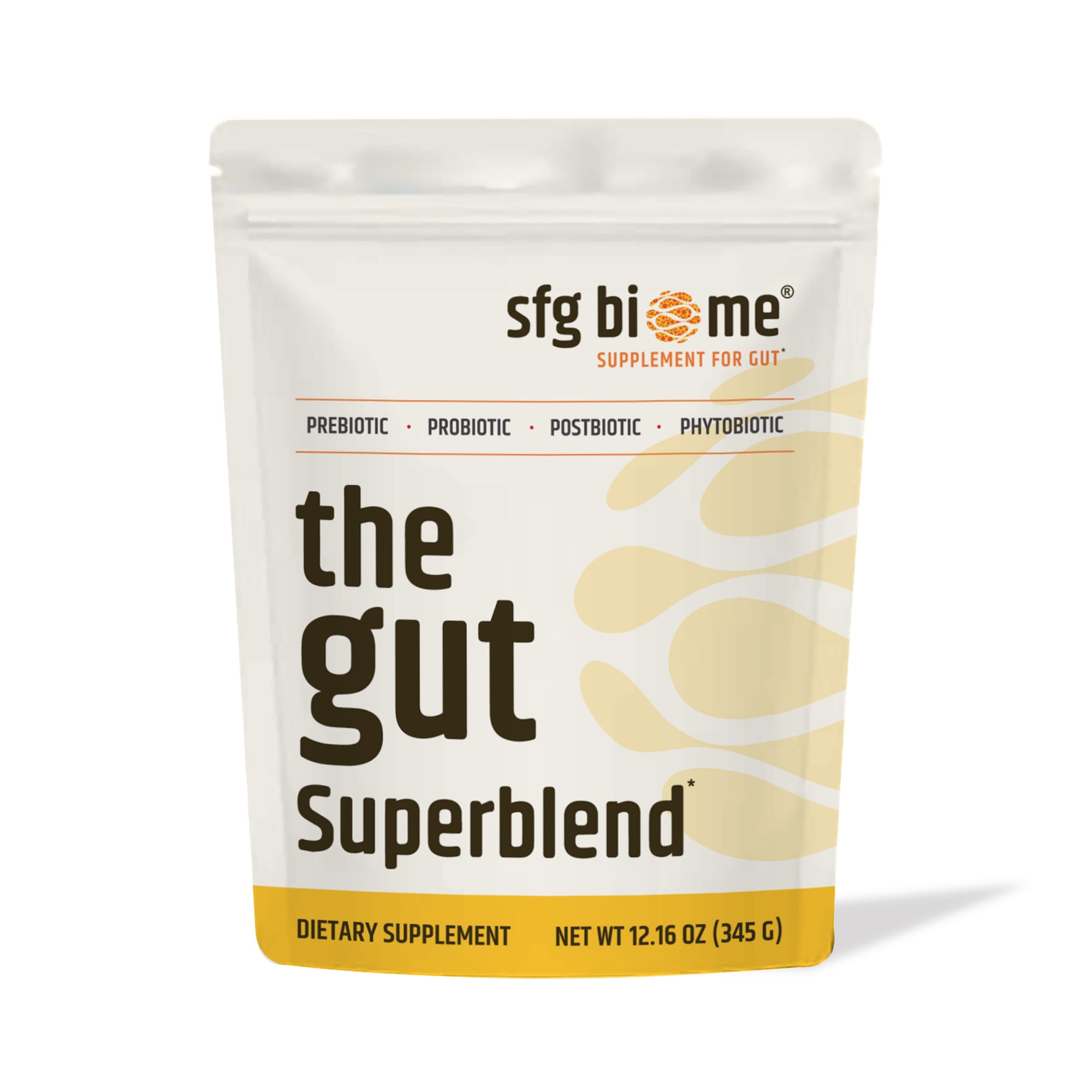
Consider Daily Gut Support

Some people add probiotics or digestive support supplements to help maintain a balanced wellness routine alongside healthy eating habits.
Final Takeaway
Your gut microbiome does not expect you to eat perfectly every day. But it may respond better when your eating habits stay more steady and predictable.
Cheat meals are not the problem by themselves. The bigger issue may be the constant shift between extremes, strict eating during the week and overload on weekends.
Small, consistent habits often support digestion better than short-term “healthy” phases followed by heavy eating patterns.
Your gut bacteria thrive on what you do regularly. That is why consistency may matter more than the occasional cheat day.
FAQs
1. Can cheat meals affect digestion?
Large or sudden changes in eating habits may leave some people feeling bloated, sluggish, or uncomfortable temporarily.
2. Why do I feel bloated after weekends?
Heavy meals, extra sugar, alcohol, late-night eating, and less fiber may affect digestion and gut comfort.
3. Does the gut microbiome change daily?
Your gut microbiome constantly responds to food, lifestyle habits, sleep, and stress levels over time.
Scientific References
- • Gibiino G, De Siena M, Sbrancia M, Binda C, Sambri V, Gasbarrini A, Fabbri C. Dietary Habits and Gut Microbiota in Healthy Adults: Focusing on the Right Diet. A Systematic Review. Int J Mol Sci. 2021 Jun 23;22(13):6728. doi: 10.3390/ijms22136728. PMID: 34201611; PMCID: PMC8269086. Learn More
- • Zhang P. Influence of Foods and Nutrition on the Gut Microbiome and Implications for Intestinal Health. Int J Mol Sci. 2022 Aug 24;23(17):9588. doi: 10.3390/ijms23179588. PMID: 36076980; PMCID: PMC9455721. Learn More
- • Conlon MA, Bird AR. The impact of diet and lifestyle on gut microbiota and human health. Nutrients. 2014 Dec 24;7(1):17-44. doi: 10.3390/nu7010017. PMID: 25545101; PMCID: PMC4303825. Learn More
