


Why the Holidays Feel So Disruptive
Holidays change more than just what we eat. They affect when we eat, how much we sleep, and how active we are. Skipped meals lead to intense hunger later. Sugary snacks cause energy crashes. Stress and lack of sleep can increase cravings.
None of this means you are doing something wrong. It simply means your body is responding to a temporary shift in routine. Balance during the holidays is about supporting your body through these changes, not fighting them.
Smart Snacking to Stay Steady
Snacks play a bigger role during the holidays than most people realize. Long gaps between meals and easy access to sweets often lead to overeating later in the day. Thoughtful snacking helps keep energy levels steady and prevents extreme hunger.
What Makes a Balanced Snack
A satisfying snack usually includes at least two of the following
- • Protein for fullness
- • Fiber for slower digestion
- • Healthy fats for longer-lasting energy
Holiday Friendly Snack Ideas
- • Greek yogurt with berries or nuts
- • Apple slices with nut butter
- • Roasted chickpeas or trail mix with seeds
- • Hummus with vegetables
- • Cheese with whole grain crackers
These snacks are easy to prepare and travel well, making them ideal for busy holiday days.
How Supplements Can Support Holiday Balance

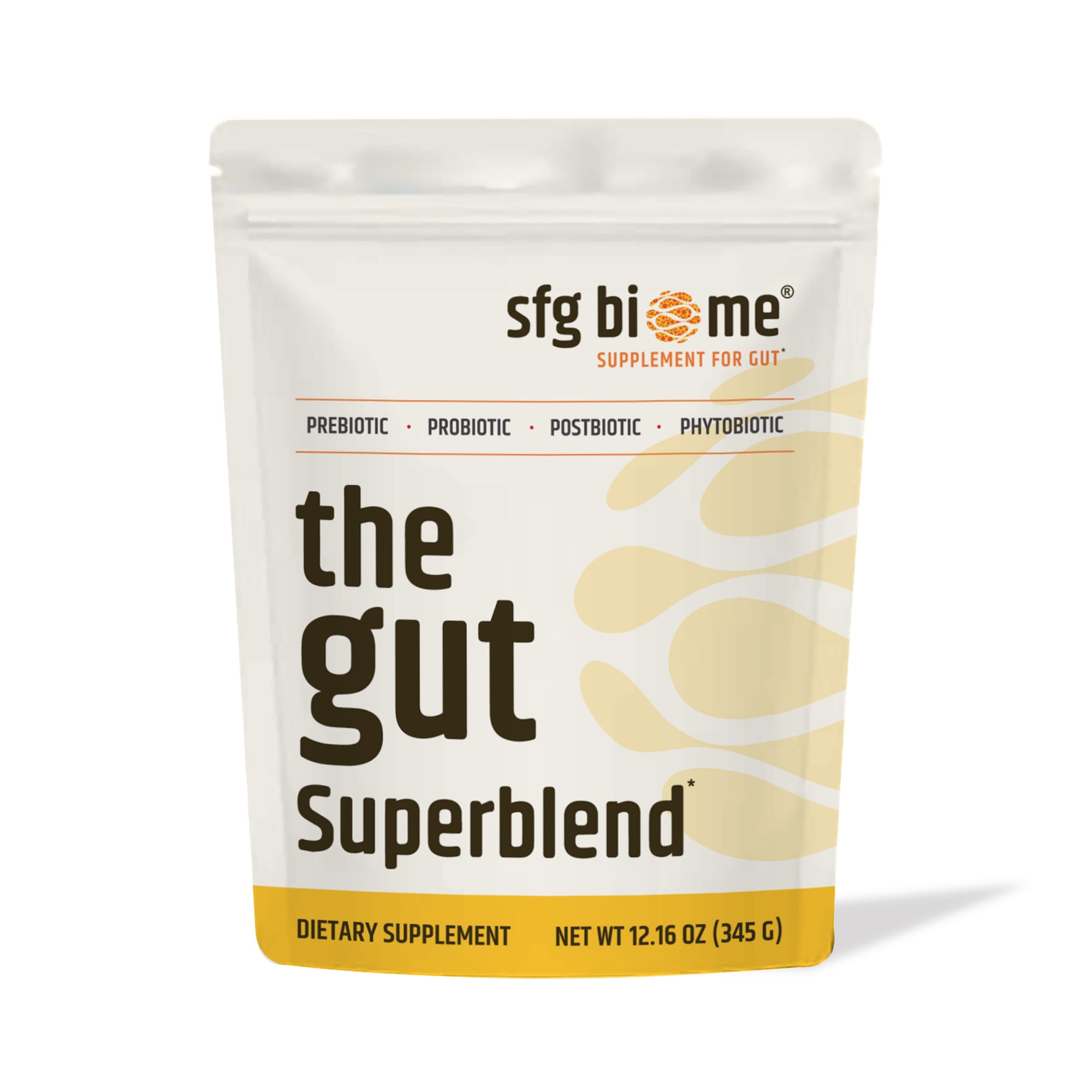
Food should always be the foundation of wellness, but supplements can be helpful during times when routines are less consistent. During the holidays, some people use supplements to support fullness, digestion, or nutrient intake when meals are unpredictable.
Common options people consider include
- • Fiber supplements to support regular eating patterns
- • Protein powders for quick, balanced snacks
- • Multivitamins to help fill general nutrient gaps
Supplements are not meant to cancel out indulgent meals or replace healthy food. They work best as a complement to balanced eating and mindful habits.
Disclaimer: Always consult your healthcare provider before starting any supplement, especially if you are pregnant, breastfeeding, taking medications, or managing a medical condition.
Simple Strategies That Actually Work

1. Do Not Skip Meals
Skipping meals to “save calories” often backfires. It increases hunger hormones and makes it harder to stop eating later. Aim for regular meals even on busy days.
2. Start with Protein and Fiber
When sitting down for a holiday meal, begin with foods that include protein and fiber. This helps you feel satisfied sooner and makes it easier to enjoy treats in reasonable portions.
3. Hydrate Consistently
Dehydration is common during the holidays, especially with travel and alcohol. Drinking water regularly supports energy, digestion, and appetite awareness.
4. Move in Small Ways
You do not need long workouts to stay balanced. Short walks after meals, light stretching, or active time with family all help regulate appetite and mood.
5. Let One Meal Stay One Meal
One indulgent meal does not undo your progress. Avoid the trap of turning one choice into a whole day or week of guilt. Return to your normal routine at the next meal.
Managing Holiday Stress Without Food Guilt

Stress is often the hidden driver behind holiday eating. Emotional eating is not a failure of willpower. It is a natural response to pressure, fatigue, and overstimulation.
Support yourself by
- • Getting enough sleep when possible
- • Taking short breaks during busy days
- • Eating without distractions when you can
When stress is managed, food choices tend to feel more natural and balanced.
A Realistic Holiday Mindset
Balance does not mean eating perfectly. It means eating intentionally. The holidays are temporary, but your relationship with food lasts much longer.
When you approach the season this way, you are far more likely to enjoy it and feel-good doing so.
Final Takeaway
The holidays do not require extreme rules or restriction. With smart snacks, supportive supplements, and realistic strategies, you can stay balanced without missing out on the foods and moments that matter most.
Enjoy the season. Trust your body. Return to your habits gently. Balance is not about perfection. It is about consistency over time.
FAQs
1. Is it normal to eat more during the holidays?
Yes. Increased social events and special foods naturally lead to higher intake for a short time.
2. Should I avoid all treats to stay balanced?
No. Enjoying treats in mindful portions often prevents later overeating.
3. What is the most important habit during the holidays?
Consistency. Regular meals, hydration, and a calm mindset matter more than perfection.
Scientific References
- • Blundell J. E., et al. (2010). Appetite control: Methodological aspects of the evaluation of foods. Obesity Reviews. Learn More
- • Halton T. L., Hu F. B. (2004). The effects of high-protein diets on thermogenesis, satiety, and weight loss. Journal of the American College of Nutrition. Learn More
- • Slavin J. L. (2013). Dietary fiber and body weight. Nutrition. Learn More
- • Torres S. J., Nowson C. A. (2007). Relationship between stress, eating behavior, and obesity. Nutrition. Learn More
- • Dalen J., et al. (2010). Mindful eating and its effects on psychological health and eating behavior. Journal of Obesity. Learn More
