


Does Hot Weather Affect Digestion?

Yes, hot weather can influence digestion in several ways. During summer, your body focuses on maintaining a healthy internal temperature. To help cool itself, your body increases sweating and shifts resources toward temperature control.
At the same time, digestion continues to work in the background. Because your body is adapting to warmer conditions, you may notice changes in how comfortable your stomach feels after meals. Some people feel full sooner, while others experience bloating or digestive discomfort more often during hot weather.
These changes are usually temporary, but they can make everyday eating feel different.
Why Do You Feel Less Hungry in Summer?
Many people naturally feel less hungry when temperatures rise. This is a normal response that may occur because the body is working harder to stay cool.
Heavy meals can sometimes feel less appealing during hot weather. Instead, people often crave lighter foods such as fruit, salads, smoothies, and cold snacks. This shift in appetite can help explain why eating habits often change during summer months.
Listening to your body's hunger signals and choosing balanced meals can help you stay energized while still feeling comfortable.
How Does Hydration Support Digestion?

One of the biggest summer challenges is staying hydrated. Your body loses more fluids through sweat when temperatures are high. If those fluids are not replaced, digestive comfort may be affected.
Water plays an important role in digestion. It helps move food through the digestive tract and supports normal bowel function. When fluid intake is low, some people may notice digestive sluggishness or irregularity.
To support hydration during summer:
- • Drink water consistently throughout the day.
- • Include water-rich foods like watermelon, cucumber, and oranges.
- • Pay attention to thirst, especially during outdoor activities.
- • Increase fluid intake when spending long periods in the heat.
Good hydration supports both overall wellness and digestive health.
Why Does Bloating Sometimes Feel Worse in Summer?
Bloating can become more noticeable during hot weather for several reasons. Summer often brings schedule changes, outdoor gatherings, travel, and different food choices.
Cookouts, restaurant meals, carbonated drinks, and salty snacks can all contribute to feelings of fullness and bloating. In addition, dehydration may make digestive discomfort feel more noticeable for some individuals.
Eating slowly, staying hydrated, and choosing balanced meals can help support digestive comfort during the warmer months.
Can Summer Travel Affect Gut Health?
Summer is one of the busiest travel seasons. While vacations are exciting, changes in routine can sometimes affect digestion.
Different foods, altered meal times, changes in sleep schedules, and long travel days may influence how your digestive system feels. Some people also consume fewer fruits and vegetables while traveling, which may reduce fiber intake.
Maintaining healthy habits while away from home can help support digestive balance. Drinking water regularly, staying active, and including fiber-rich foods whenever possible are simple ways to keep your gut on track.
What Foods Support a Healthy Summer Gut?

Choosing gut-friendly foods can make a big difference during summer.
Hydrating foods such as watermelon, berries, cucumbers, and citrus fruits provide both fluids and nutrients. Vegetables, whole grains, beans, and fruits provide fiber, which supports healthy digestion.
Fermented foods like yogurt and kefir can also be valuable additions to a balanced diet. These foods contain beneficial bacteria that help support a healthy gut microbiome.
A variety of colorful, nutrient-dense foods can help your digestive system function at its best throughout the season.
Final Takeaway
Summer can affect more than your energy levels and hydration status. Rising temperatures may also influence appetite, digestion, and overall gut comfort. The good news is that simple habits can help support digestive wellness throughout the season.
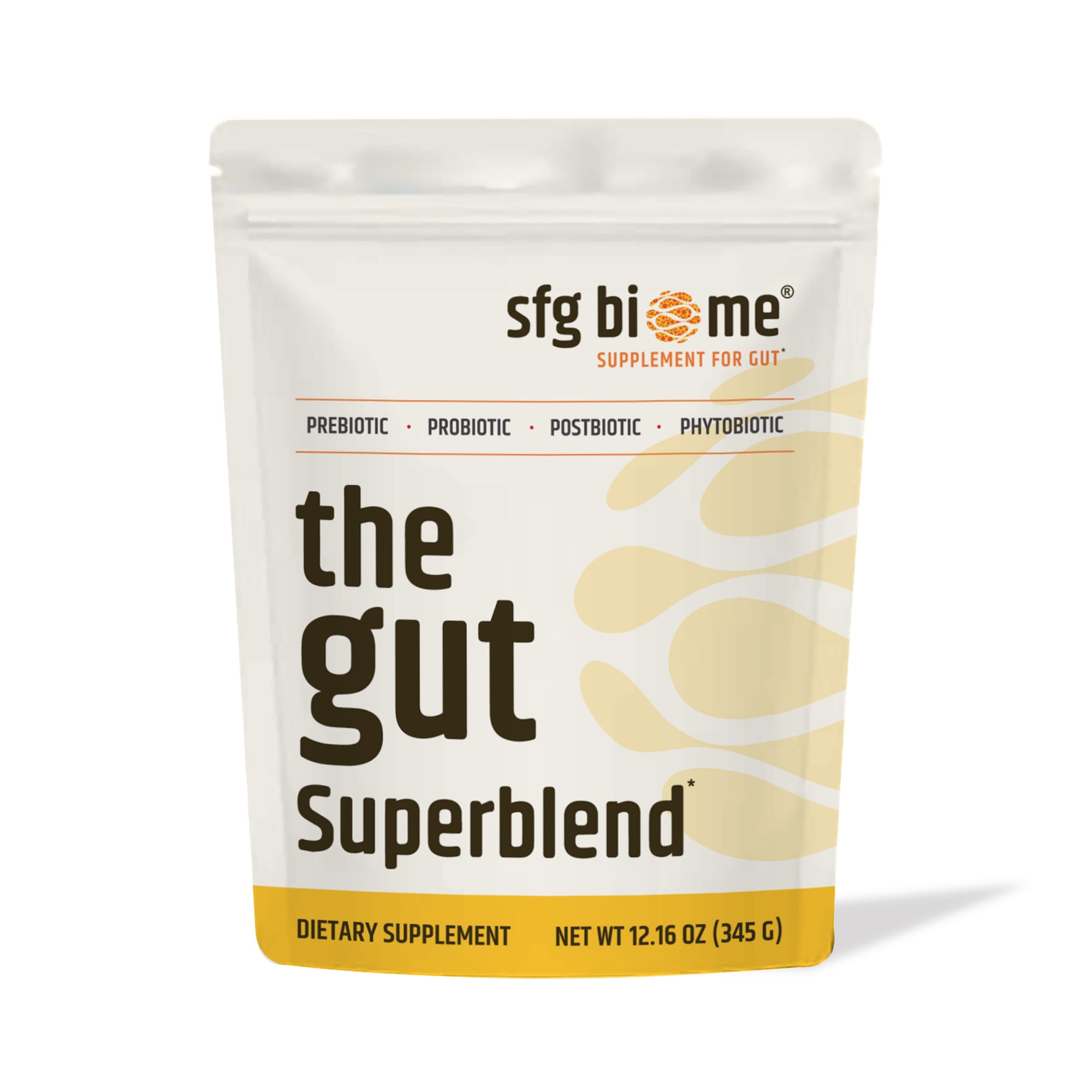
Staying hydrated, eating fiber-rich foods, maintaining healthy routines, and supporting your gut microbiome are all practical steps that can help you feel your best. If you are looking for additional digestive support, a high-quality probiotic supplement may be a smart addition to your summer wellness routine.
FAQs
1. Does hot weather affect digestion?
Yes. Heat can influence hydration, appetite, and digestive comfort, which may lead to noticeable changes in digestion.
2. Can dehydration affect digestive comfort?
Yes. Water supports normal digestion and bowel function. Low fluid intake may contribute to digestive discomfort.
3. Should I take probiotics during summer travel?
Many people use probiotics to support a healthy gut microbiome during travel and routine changes. Choose a quality product that fits your wellness goals.
Scientific References
- • Guo Y, He J, Li S, Zou S, Zhang H, Yang X, Wang J. Warm and humid environment induces gut microbiota dysbiosis and bacterial translocation leading to inflammatory state and promotes proliferation and biofilm formation of certain bacteria, potentially causing sticky stool. BMC Microbiol. 2025 Jan 16;25(1):24. doi: 10.1186/s12866-024-03730-6. PMID: 39819481; PMCID: PMC11737230. Learn More
- • Cocomazzi G, Panebianco C, Vallelunga A, De Ruvo D, Del Pup L, Smeazzetto S, Antinori M, Chimienti V, Maggio G, Finocchiaro C, Contu V, Pazienza V. The Influence of Seasonal Variations in Clinical Trials Based on Gut Microbiota Studies. Microorganisms. 2025 Oct 17;13(10):2386. doi: 10.3390/microorganisms13102386. PMID: 41156845; PMCID: PMC12566549. Learn More
- • Davenport ER, Mizrahi-Man O, Michelini K, Barreiro LB, Ober C, Gilad Y. Seasonal variation in human gut microbiome composition. PLoS One. 2014 Mar 11;9(3):e90731. doi: 10.1371/journal.pone.0090731. PMID: 24618913; PMCID: PMC3949691. Learn More
