


7 Signs Your Gut Microbiome is Out of Balance
1. The "Balloon Belly" (Bloating and Gas)
While everyone gets a little gassy sometimes, feeling like you’ve swallowed a balloon after every meal isn't normal. This happens because certain bacteria in an unhappy gut produce extra gas when they break down food. If you experience frequent bloating and gas, it’s a major clue that your digestive system is struggling to keep the peace.
2. Constant "Brain Fog" and Fatigue

Did you know your gut produces a huge amount of the body's serotonin? That’s the chemical that helps you feel happy and sleep well. When your gut microbiome is out of whack, it can mess with your sleep and your mood. If you’re dealing with chronic fatigue and gut health issues at the same time, your bacteria might be the reason you feel like you're walking through a mental fog.
3. Skin "Flare-Ups" (The Gut-Skin Axis)
Science has discovered something called the gut-skin axis. Think of it as a direct phone line between your tummy and your face. When there is inflammation in your gut, it often shows up on your skin as redness, breakouts, or dry patches. If your expensive creams aren't working, it might be time to start healing from the inside out.
4. Intense Sugar Cravings
It sounds like a movie plot, but some "bad" bacteria actually thrive on sugar! When these bacteria get too powerful, they can send signals to your brain making you crave sweets and processed snacks. They are literally "ordering dinner" for themselves. By helping gut bacteria through healthy food, you can actually make those cravings easier to manage.
5. "Sudden" Food Sensitivities
Have you ever noticed that a food you used to love, like dairy or bread now makes you feel sick? This can happen when your gut lining gets irritated or when you don't have enough diverse bacteria to help break those foods down. It’s your body’s way of saying it needs a better balance of "helpers" in the digestive tract.
6. Getting Sick More Often
About 70% of your immune system lives right in your gut! Your healthy bacteria are like a tiny army that trains your body to fight off germs. If you find yourself catching every cold that goes around the classroom or office, your gut army might be understaffed.
7. Unintentional Weight Changes
An imbalanced gut can affect how your body absorbs nutrients, stores fat, and regulates blood sugar. If your weight is shifting even though you haven't changed your diet or exercise, it could be because your bacteria are changing how your body processes energy.
How to Start Balancing Your "Garden"

The good news is that your gut is incredibly resilient! You can start supporting your digestive health today by:
- • Eating the Rainbow: Different colored fruits and vegetables feed different types of good bacteria.
- • Staying Hydrated: Water helps the "waterslide" of your gut keep moving smoothly.
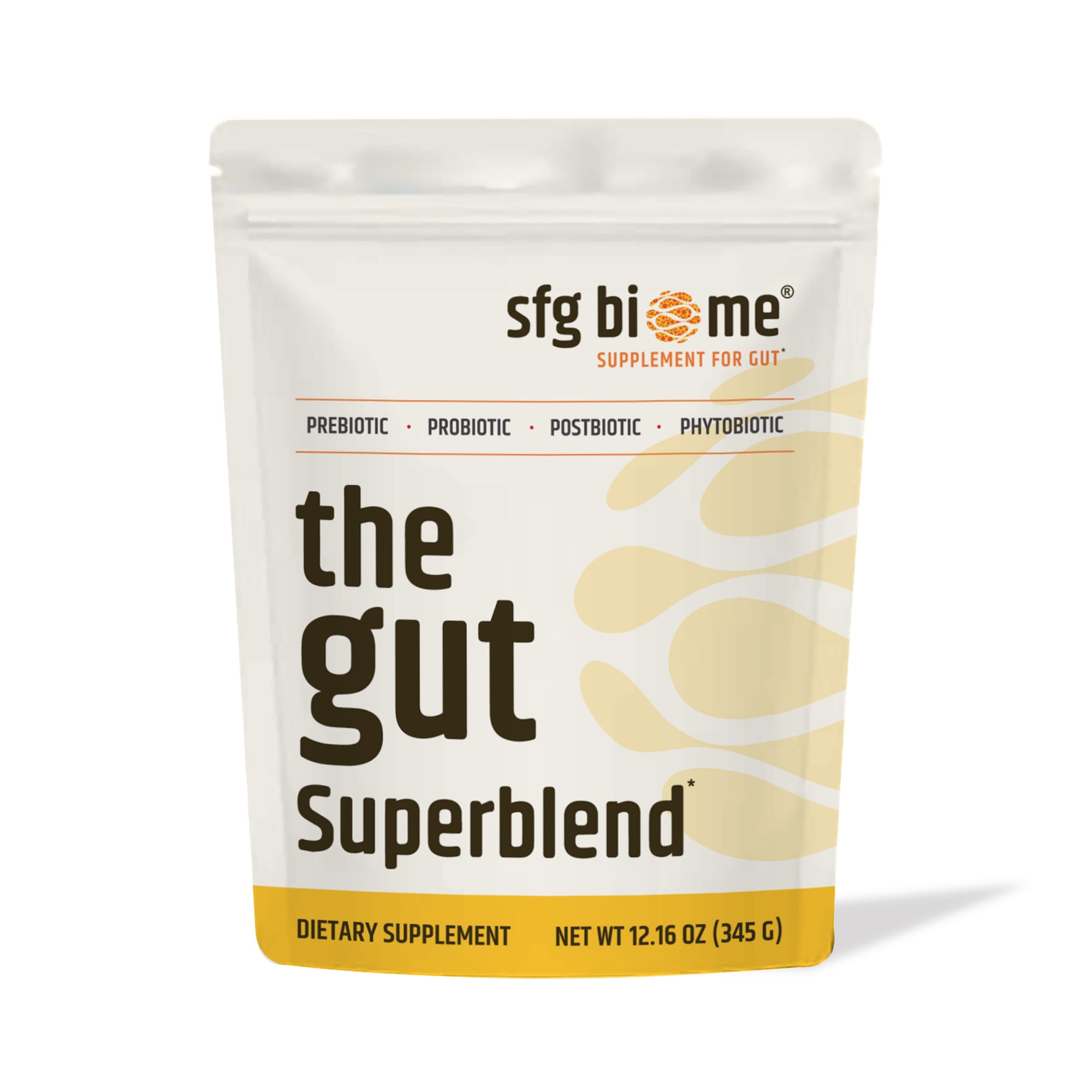
- • Taking a Quality Supplement: Sometimes your gut needs a "re-stock" of the good guys to help push out the weeds.
Always consult with a doctor before starting any new supplement routine, especially if you are pregnant, nursing, or taking medication.
Key Takeaways:
If you remember nothing else, keep these four "Garden Rules" in mind to keep your microbiome thriving:
- • Listen to the Whispers: Don't ignore small signs like skin breakouts or brain fog; they are your body's way of asking for better gut support.
- • Variety is Victory: Eating a wide range of plants and fibers ensures you are feeding all the different "good guys" in your gut army.
- • Consistency over Intensity: You don’t need a total lifestyle overhaul overnight. Small, daily habits like drinking more water and taking your supplements make the biggest difference.
- • The Gut-Body Connection: Remember that your gut affects your mood, your skin, and your energy. When you treat your middle well, your whole body feels the glow!
FAQs
1. Can stress really hurt my gut bacteria?
Yes! Stress is like a storm for your gut garden. It can decrease the number of "good"
bacteria, which is why your stomach might feel "tied in knots" when you’re nervous.
2. Do I have to stop eating sugar completely?
Not necessarily, but "bad" bacteria love refined sugar. Swapping out soda for water or
processed snacks for fruit is a great way to "starve" the bad bacteria while feeding the
good ones.
3. Are "probiotics" and "microbiome" the same thing?
Not quite! The gut microbiome is the whole community of bacteria. Probiotics are the
specific "good" bacteria you can add (through food or supplements) to help that community
stay healthy.
Scientific References
- • Mailing, L. J., et al. (2019). "Exercise and the Gut Microbiome: A Review of the Evidence." Exercise and Sport Sciences Reviews. Learn More
- • De Pessemier, B., et al. (2021). "Gut–Skin Axis: Current Knowledge of the Interrelationship between Microbial Dysbiosis and Skin Conditions." Learn More
- • Fan, Y., & Pedersen, O. (2021). "Gut microbiota in human metabolic health and disease." Nature Reviews Microbiology. Learn More
