


Five Essential Pillars of a Successful Fiber-Maxxing Reset
1. The "Low and Slow" Rule: Avoid the Fiber Flush
The biggest mistake people make when starting a high fiber diet is trying to hit 50 grams on day one. Your gut bacteria are like an elite team of athletes they need to train to handle the extra workload.
The 10% Weekly progress
If you suddenly flood your system with fiber, the bacteria will ferment it so quickly that they create excess gas, leading to the very bloating you are trying to avoid. Instead, aim to increase your daily fiber by just 3–5 grams per week. This gives your microbiome time to adapt, ensuring a smooth transition without the "balloon belly" effect.
2. Mastering the Mix: Soluble vs. Insoluble Fiber
To truly reset your microbiome, you need to understand the "Big Two" types of fiber.
- • Soluble Fiber : Found in oats, beans, and apples, this type dissolves in water to form a gel. It slows down digestion, keeps you full, and feeds the specific bacteria that protect your gut lining.
- • Insoluble Fiber : Found in whole grains and leafy greens, this type doesn't dissolve. It acts like a "scrubber" for your intestines, keeping waste moving so it doesn't sit and ferment (which causes gas).
3. Focus on "Fiber Diversity" (The 30-Plant Challenge)
Science has shown that the healthiest guts belong to people who eat at least 30 different types of plants per week. Why? Because different microbes eat different fibers.
Counting Your Plants
A successful fiber-maxxing protocol isn't just about eating a mountain of broccoli. It’s about variety. Every different nut, seed, herb, spice, fruit, and vegetable you eat feeds a different "specialist" in your gut. This diversity is the ultimate secret to long-term digestive wellness and a resilient immune system.
4. Hydration: The "Water Slide" Effect

Fiber is a thirsty nutrient. Without enough water, high fiber intake can actually lead to constipation the exact opposite of what we want.
The Fiber-to-Water Ratio
Think of fiber like a dry slide at a water park. Without water, nothing moves. When you increase your fiber, you must increase your water intake. Aim for an extra glass of water for every 5 grams of fiber you add. This ensures the fiber stays soft and moves effortlessly through your system.
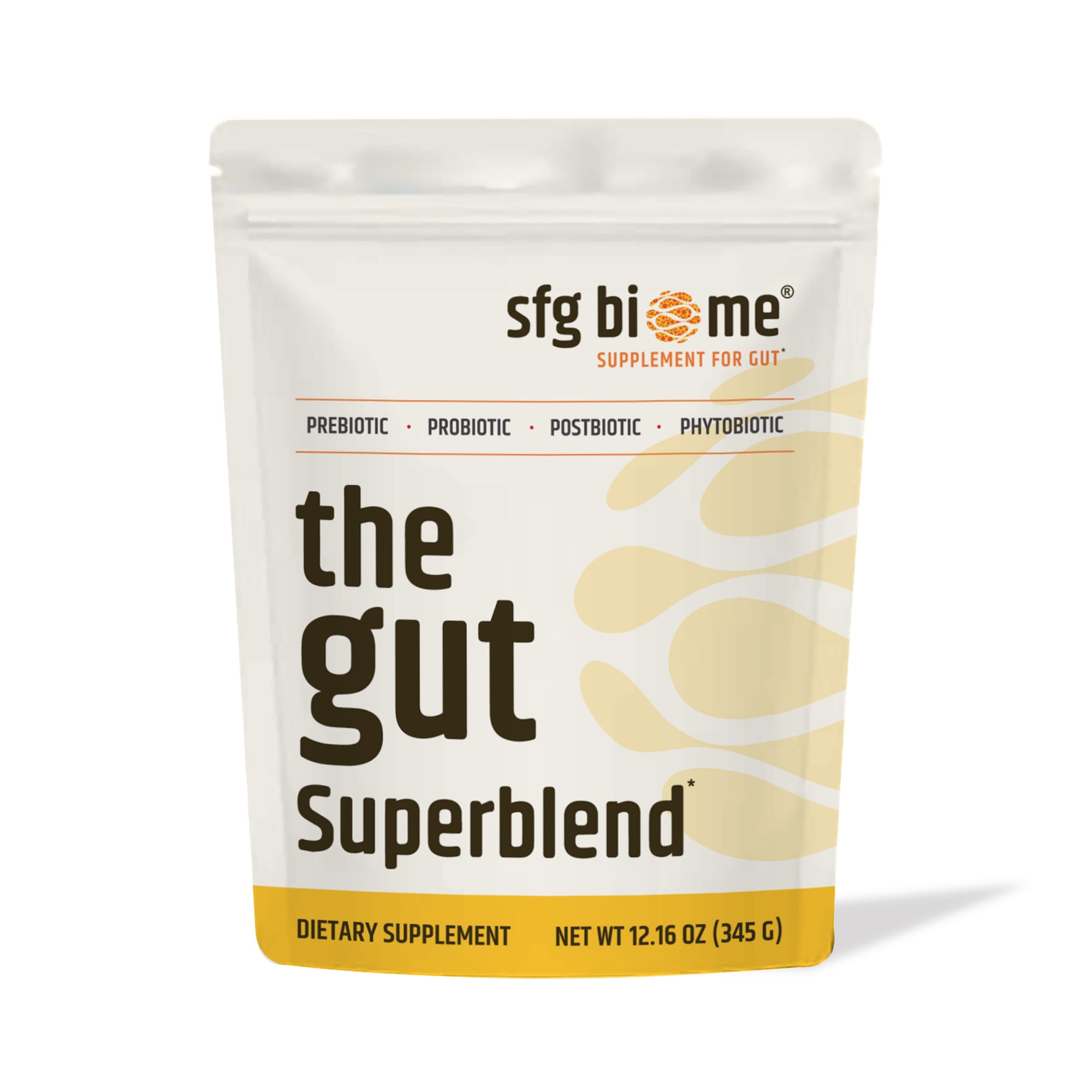
5. Leverage Prebiotic Supplements to Fill the Gaps
Even with the best intentions, it can be hard to hit 2026’s "optimal" fiber targets (which experts now suggest are closer to 30–40 grams for adults) through food alone. This is where high-quality prebiotic fiber supplements come in.
Always consult with your doctor before starting any new supplement, especially if you have pre-existing health conditions.
Targeted Support

Look for supplements that contain diverse fibers like psyllium husk, inulin, or acacia fiber. These act as "controlled release" fuel for your gut, ensuring that even on your busiest days, your "inner garden" never goes hungry.
Key Takeaway
Fiber-maxxing is more than a trend, it’s a return to how our bodies were designed to function. By gradually increasing your intake, focusing on plant diversity, and staying hydrated, you can effectively reset your microbiome and eliminate bloating. Remember, your gut bacteria are your biggest allies in health feed them well, and they will take care of the rest.
FAQs
1. Why do I feel more bloated after eating salad?
Raw vegetables contain tough cellulose (insoluble fiber). If your gut isn't used to it, try steaming or sautéing your veggies first to "pre-digest" them slightly while your microbiome gets stronger.
2. Is there such a thing as "too much" fiber?
While rare, eating over 70 grams a day can sometimes lead to mineral deficiencies if not balanced properly. Most people find their "sweet spot" between 30 and 50 grams.
3. How long does a "gut reset" take?
Most people notice a significant reduction in bloating and an increase in energy within 2 to 4 weeks of consistent, gradual fiber-maxxing.
Scientific References
- • Hammad, et al. (2025). "Dietary Fiber and Lifestyle Modification in Gut Health." Frontiers in Nutrition. Learn More
- • Schmidt, T. M. (2026). "Fibermaxxing: Is this TikTok Trend Good for You?" Mayo Clinic Press. Learn More
- • Grosso, F., et al. (2025). "Metabolic effects of high-fiber interventions in healthy adults." MDPI Life. Learn More
- • Vinderola, G., et al. (2021/Updated 2026). "Microbiota modulation by dietary fiber sources." Frontiers in Nutrition. Learn More
