


What Does “Gut Memory” Really Mean?
Let’s clear up one thing first: your gut does not remember your lunch the way your brain remembers a birthday.
Instead, your gut microbiome is a living community that can change in response to your diet and other factors. Research shows that habitual diet can shape the structure and function of the gut microbiome, while even short-term dietary changes can cause microbial shifts.
Think of it like a garden. The plants that grow in a garden depend partly on what the garden regularly receives. Your gut microbiome is more complex, but the basic idea is similar: repeated inputs can influence the environment over time.
Your Gut Notices What You Eat

Every meal brings something different into your digestive system.
Plant foods such as vegetables, fruits, beans, whole grains, nuts, and seeds provide dietary fiber and other naturally occurring compounds. Different plants provide different types and amounts of these nutrients.
Some types of fiber pass through the upper digestive tract and reach the large intestine, where gut microorganisms can interact with them.
That is one reason food variety matters. Eating a broad range of plant foods can give your diet a wider mix of fibers and nutrients rather than relying on the same few foods every day.
What Happens When Your Diet Suddenly Changes?

Imagine that you normally eat vegetables, whole grains, beans, and fruit. Then you leave for vacation.
For several days, your meals may include more restaurant foods, fewer fiber-rich plants, and a different eating schedule. Your routine has changed, so your gut environment may also respond to that change.
This does not mean one weekend permanently changes your microbiome. Your gut is adaptable, and many factors influence it.
The important lesson is that patterns matter more than one isolated meal.
You do not need to feel guilty about enjoying pizza, dessert, or a vacation meal. A healthy gut routine has room for flexibility.
Why Does Your Gut Like Consistency?
Consistency does not mean eating the exact same foods every day.
It means creating healthy patterns that you can repeat.
For example, you might regularly include fiber-rich plant foods, drink enough water, stay physically active, and maintain a balanced eating routine.
Within that pattern, you can still enjoy plenty of variety.
Monday could be oatmeal with berries. Tuesday could be whole-grain toast with avocado. Wednesday could be yogurt with fruit and seeds.
The routine stays supportive while the foods change.
Your Gut May “Remember” Variety, Too
Variety is an important part of a balanced diet.
Different plant foods contain different types of fiber and naturally occurring compounds. This gives your gut microbiome a broader range of dietary components to interact with.
Instead of searching for one perfect “gut food,” think about building a colorful, varied plate.
Try rotating your choices of fruits, vegetables, legumes, whole grains, nuts, seeds, herbs, and spices.
Small changes can make your meals more interesting while increasing the variety of foods in your diet.
How Can You Build a Gut-Friendly Routine?
You do not need to completely change your lifestyle.
Start with habits you can repeat. Add more variety to your plant foods. Include fiber-rich choices regularly. Drink enough fluids. Stay active. Give your meals some consistency while leaving room for foods you enjoy.
If you are increasing fiber, do it gradually and maintain adequate fluid intake, especially if your current diet is low in fiber.
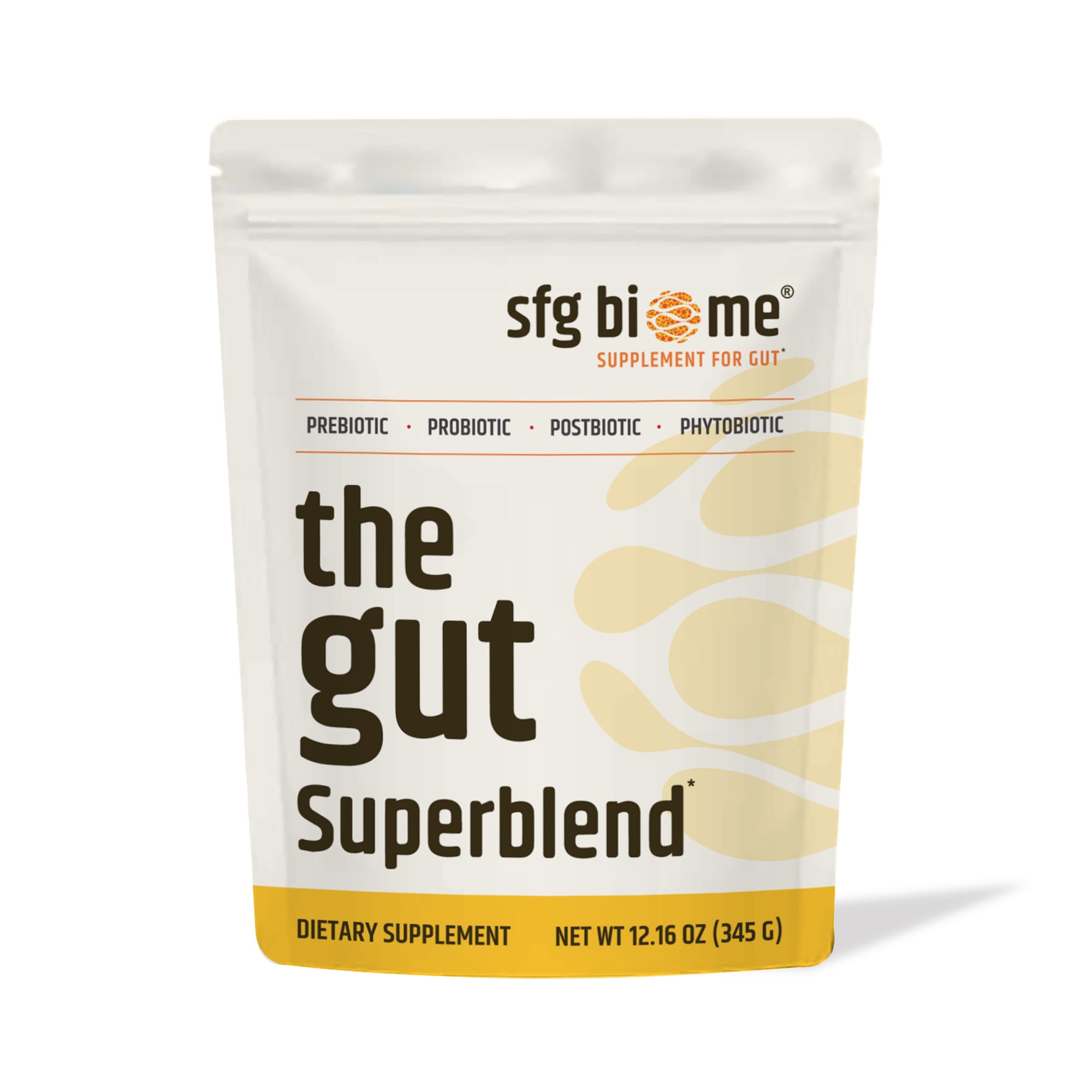
For some people, a dietary supplement containing selected prebiotic, probiotic, postbiotic, or other researched ingredients may complement a balanced diet. The right choice depends on the specific product and ingredient, because different ingredients have different evidence and intended uses.
Final Takeaway
Your gut does not “remember” yesterday like your brain does.
But your gut microbiome responds to patterns. What you regularly eat and how you live can influence the environment in which your gut microorganisms live.
That means you do not need a perfect diet. You need habits that you can repeat.
Add variety. Choose fiber-rich foods. Stay hydrated. Keep moving. And give your gut a consistent foundation to work with.
FAQs
1. Can the gut microbiome remember what you eat?
Not like the brain remembers an event. “Gut memory” is a simple way to describe how the gut microbiome can respond to repeated dietary and lifestyle patterns.
2. Can a gut health supplement help support your gut’s “memory”?
Yes. A gut health supplement with well-researched ingredients may support a healthy gut environment alongside a balanced diet and healthy lifestyle.
3. How does diet affect the gut microbiome?
Diet provides nutrients and other compounds that interact with microorganisms in the digestive tract. Habitual diet is one factor that can shape the gut microbiome.
Scientific References
- • He P, Yu L, Tian F, Zhang H, Chen W, Zhai Q. Dietary Patterns and Gut Microbiota: The Crucial Actors in Inflammatory Bowel Disease. Adv Nutr. 2022 Oct 2;13(5):1628–1651. doi: 10.1093/advances/nmac029. PMID: 35348593; PMCID: PMC9526834. Learn More
- • Choi Y, Hoops SL, Thoma CJ, Johnson AJ. A guide to dietary pattern–microbiome data integration. The Journal of Nutrition. 2022 May;152(5):1187–1199. Learn More
- • Liu WW, Reicher N, Alway E, Rupprecht LE, Weng P, Schaefgen C, Klein ME, Villalobos JA, Puerto-Hernandez C, Kiesling Altún YG, Carbajal A. A gut sense for a microbial pattern regulates feeding. Nature. 2025 Sep 18;645(8081):729–736. Learn More
