


What Is the Gut Barrier?
The gut barrier is a thin layer of cells that lines your intestines. Even though it is only one cell thick, it has a very important job. Think of it like a security gate at an airport. It checks what comes through and helps make sure the right things get in while other substances stay out.
After you eat, food is broken down into smaller nutrients like vitamins, minerals, amino acids, and healthy fats. The gut barrier helps these nutrients move into your circulation, where your body can use them for everyday functions. At the same time, it works with your digestive system and your gut microbiome to help maintain a healthy balance inside your intestines.
Why Does the Gut Barrier Matter?

Most people think digestion is simply about breaking down food. In reality, digestion is also about what your body absorbs.
A healthy gut barrier helps your digestive system absorb nutrients from the foods you eat. Those nutrients help support normal body functions, from making energy to supporting muscles, bones, and many other processes.
Your gut barrier also works closely with the trillions of helpful bacteria that naturally live in your digestive tract. Together, they help support normal digestion, a balanced gut environment, and healthy immune function. Since a large part of the body's immune system is connected to the gut, taking care of your digestive health can play an important role in overall wellness.
What Can Affect Your Gut Barrier?
Your gut barrier works hard every day, but some lifestyle habits can make its job more difficult.
A diet that is low in fiber may not provide enough nourishment for the beneficial bacteria in your gut. Eating large amounts of highly processed foods may also affect the balance of your digestive system over time.
Everyday stress can also influence digestion. Many people notice changes in their stomach or bowel habits during stressful times. Poor sleep, not drinking enough water, and getting very little physical activity may also affect how well your digestive system functions.
These factors do not cause problems overnight, but healthy daily habits can help support your gut over time.
Nutrients That Help Support Gut Health

Several nutrients play a role in supporting digestive wellness and the gut barrier.
Dietary fiber helps nourish beneficial gut bacteria and supports regular bowel movements.
Prebiotics are special types of fiber that feed helpful bacteria already living in your gut.
Probiotics are beneficial microorganisms that help support a balanced gut microbiome when consumed as part of a healthy diet.
Polyphenols, found in colorful fruits, vegetables, tea, and berries, help nourish beneficial gut bacteria.
Eating a variety of nutrient-rich foods is one of the best ways to give your digestive system the support it needs.
Where Can a Gut Health Supplement Fit?
Healthy eating should always be the foundation of gut wellness. However, some people may find it difficult to get enough fiber or other gut-supporting nutrients every day.
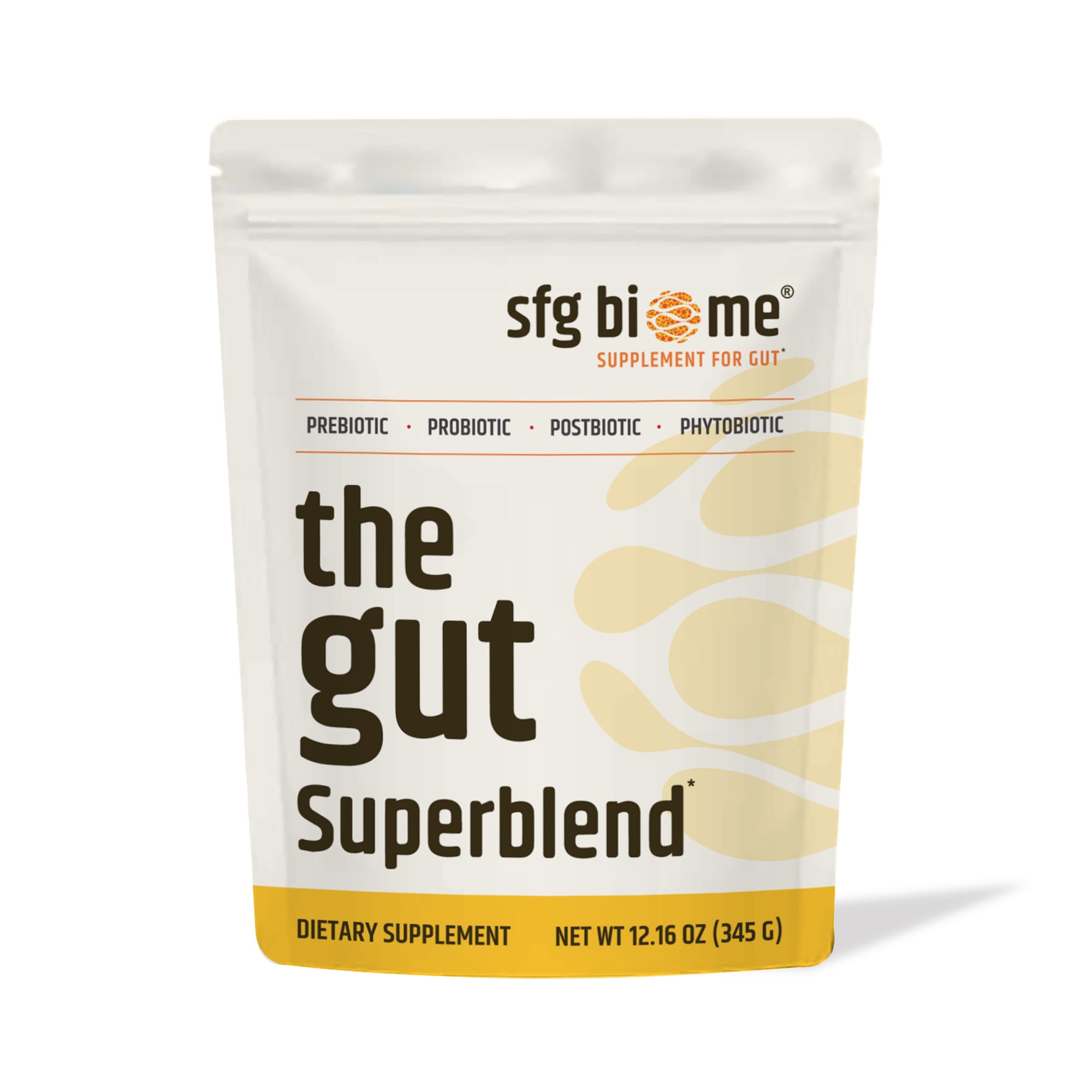
A high-quality dietary supplement that contains ingredients such as prebiotic fiber, probiotics, or other gut-supporting nutrients can help complement a healthy lifestyle. When choosing a supplement, look for products made in GMP-certified facilities, tested by a third-party laboratory, and clearly labeled with their ingredients and serving sizes.
Final Takeaway
Your gut barrier may be small, but it has a big responsibility. It helps your body absorb nutrients, supports your digestive system, and works alongside your gut microbiome to maintain everyday wellness. By eating more fiber-rich foods, staying hydrated, getting enough sleep, and following healthy daily habits, you can help support one of your body's most important natural systems.
FAQs
1. What foods help support the gut barrier?
Fiber-rich foods, fruits, vegetables, whole grains, beans, fermented foods, and foods rich in polyphenols can all support a healthy digestive system.
2. Can probiotics and prebiotics support gut health?
Yes. Prebiotics feed beneficial gut bacteria, while probiotics help support a balanced gut microbiome as part of a healthy diet.
3. Can dietary supplements help support gut health?
Some
dietary supplements
containing prebiotic fiber, probiotics, or other gut-supporting ingredients may complement a healthy diet and lifestyle. Choose products that are third-party tested and manufactured following quality standards.
Scientific References
- • Assimakopoulos SF, Triantos C, Maroulis I, Gogos C. The Role of the Gut Barrier Function in Health and Disease. Gastroenterology Research. 2018 Aug;11(4):261-263. doi: 10.14740/gr1053w. PMID: 30116424; PMCID: PMC6089582. Learn More
- • Vancamelbeke M, Vermeire S. The Intestinal Barrier: A Fundamental Role in Health and Disease. Expert Review of Gastroenterology & Hepatology. 2017 Sep;11(9):821-834. doi: 10.1080/17474124.2017.1343143. PMID: 28650209; PMCID: PMC6104804. Learn More
- • Ghosh S, Whitley CS, Haribabu B, Jala VR. Regulation of Intestinal Barrier Function by Microbial Metabolites. Cellular and Molecular Gastroenterology and Hepatology. 2021;11(5):1463-1482. Learn More
