


What is your gut lining and why does it matter?

Your gut lining is a thin inner layer of your intestines. Think of it like a protective barrier that helps your body decide what to absorb and what to keep out. When you eat, nutrients pass through this lining into your bloodstream, while unwanted substances are kept out.
This lining works every day with every meal. It plays an important role in how your body uses food. It helps with nutrient absorption, so your body gets the value from what you eat. It also supports overall digestive comfort.
When your gut lining is balanced and supported, digestion feels smoother. You may notice less discomfort after meals and feel more at ease. A well-functioning gut lining can help you feel lighter, more comfortable, and more balanced throughout the day.
How can your diet affect your gut lining?
What you eat daily can influence how your gut lining feels and functions. Some foods may be harder to process, especially when eaten often or in large amounts.
A diet that lacks balance or variety may also place stress on your digestive system. Over time, this may affect how comfortable you feel after meals.
It is important to understand that not all “healthy” foods work the same for everyone. Your body may respond differently based on your habits, portion sizes, and food combinations.
What diet habits may be hurting your gut?
Certain everyday habits may not support your gut as well as you think.
Eating too many processed foods can be one factor. These foods often lack fiber and nutrients your gut needs.
Low fiber intake is another common issue. Fiber helps support normal digestion and keeps things moving smoothly.
High sugar intake may also affect how your gut feels. Too much sugar can disrupt balance in your digestive system.
Irregular eating patterns, like skipping meals or overeating at once, can also make digestion harder.
Not eating a variety of foods may limit the range of nutrients your gut needs for proper function.
What are the signs your gut lining needs support?

- • Your body often gives small signals when something feels off.
- • You may notice bloating after meals. Gas or mild discomfort can also be common signs.
- • Some people feel heavy or uneasy after eating, even when the meal seems healthy.
- • You may also feel like your digestion is not as smooth as it should be.
These signs do not always point to one cause, but they can suggest your gut may need better daily support.
How can you support your gut lining daily?
Simple changes in your routine can make a difference.
- • Start by eating more whole foods like fruits, vegetables, and whole grains. These provide fiber and nutrients your gut uses daily.
- • Drink enough water to support digestion and help your system function smoothly.
- • Try to eat at regular times. This helps your digestive system stay consistent.
- • Include foods that support gut balance, such as yogurt or other fermented foods, if they suit you.
- • Managing stress is also important. Your gut and mind are closely connected, and daily stress may affect how your gut feels.
Can supplements help support gut health?
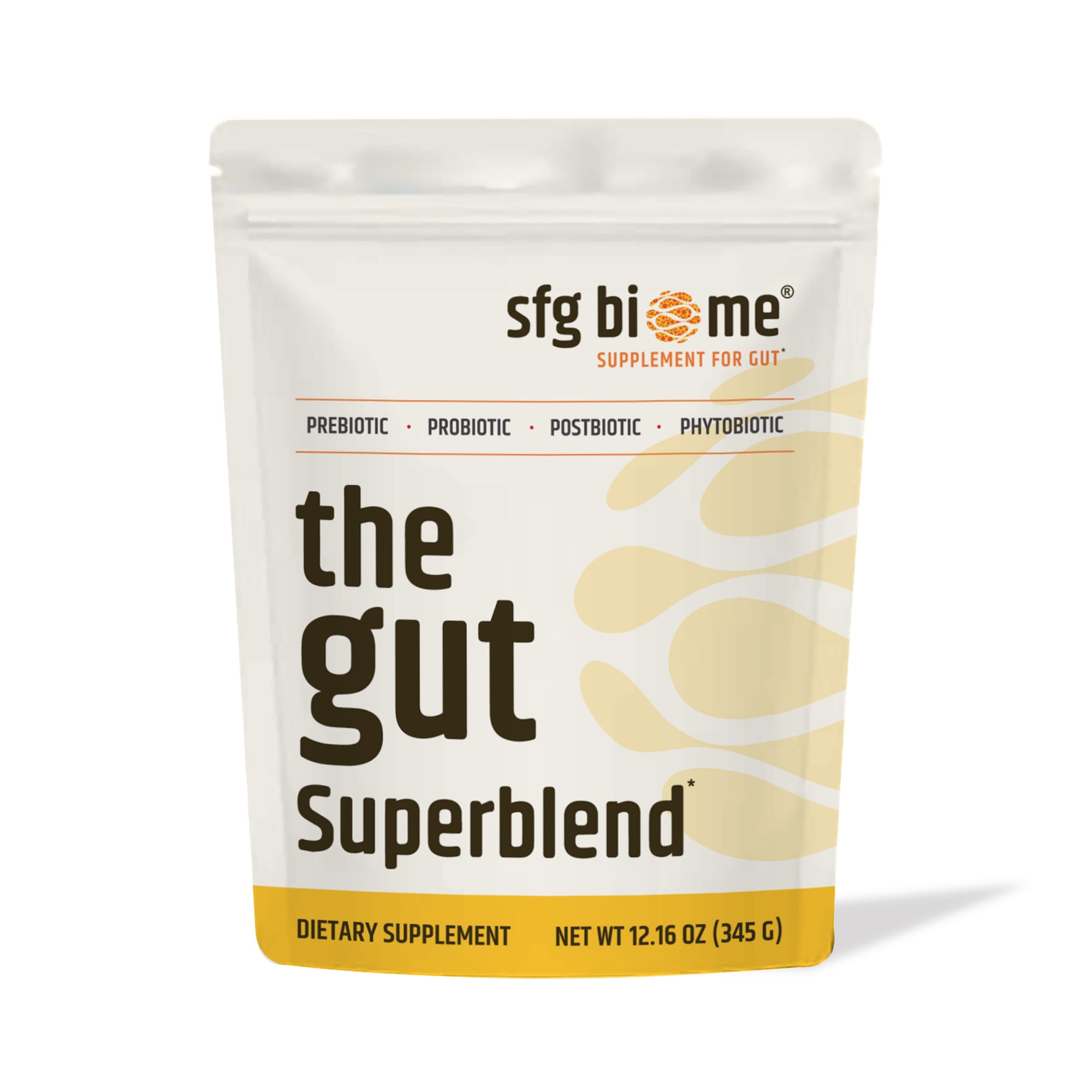
Along with diet and lifestyle, some people choose to add supplements to support their gut.
Certain nutrients and formulas are designed to support digestion and help maintain gut balance. These may include probiotics, digestive support blends, or key minerals.
For example, probiotics are known to support a healthy balance of good bacteria in the gut. Zinc also plays a role in maintaining normal digestive function.
When choosing a supplement, look for quality. A good product should be made in GMP-certified facilities, use tested ingredients, and offer clear labeling.
Final takeaway
Your diet affects more than just your calorie intake. It also shapes how your gut feels and functions every day.
Even if you are eating healthy, small habits may still impact your gut lining. Paying attention to how your body responds can help you make better choices.
Simple steps like balanced meals, proper hydration, and consistent routines can support your gut over time.
When needed, adding a high-quality supplement may provide extra support.
Understanding your gut is the first step toward feeling better every day.
FAQs
1. What foods support gut lining?
Foods rich in fiber like fruits, vegetables, and whole grains can support gut health. Fermented foods may also help maintain balance.
2. Do probiotics help gut health?
Probiotics may support a healthy balance of bacteria in the gut and help maintain digestive wellness.
3. What causes gut discomfort after eating?
Common causes include poor diet balance, low fiber intake, overeating, or irregular eating habits.
Scientific References
- • Di Vincenzo F, Del Gaudio A, Petito V, Lopetuso LR, Scaldaferri F. Gut microbiota, intestinal permeability, and systemic inflammation: a narrative review. Intern Emerg Med. 2024 Mar;19(2):275-293. doi: 10.1007/s11739-023-03374-w. Epub 2023 Jul 28. PMID: 37505311; PMCID: PMC10954893. Learn More
- • Aleman RS, Moncada M, Aryana KJ. Leaky Gut and the Ingredients That Help Treat It: A Review. Molecules. 2023 Jan 7;28(2):619. doi: 10.3390/molecules28020619. PMID: 36677677; PMCID: PMC9862683. Learn More
- • Mansour SR, Moustafa MAA, Saad BM, Hamed R, Moustafa AA. Impact of diet on human gut microbiome and disease risk. New Microbes New Infect. 2021 Feb 2;41:100845. doi: 10.1016/j.nmni.2021.100845. PMID: 34035924; PMCID: PMC8138677. Learn More
