


Why Has On-the-Go Eating Become So Common?

Modern life moves fast. Between work, family responsibilities, commuting, and endless notifications, many people feel like there is never enough time.
As a result, meals often become an afterthought. Breakfast may happen in the car. Lunch might be eaten at a desk. Dinner could be rushed between activities.
While these habits may seem harmless, they can gradually shape the way your digestive system responds to food.
Your body was designed to digest food, but digestion works best when given the time and attention it needs.
What Happens When You Eat in a Rush?
Digestion begins before the first bite reaches your stomach.
When you see, smell, and think about food, your body starts preparing for digestion. Saliva production increases, digestive processes begin, and your body gets ready to break down nutrients.
When meals are rushed, this natural preparation process may not happen as smoothly.
Many people also chew less when eating quickly. Chewing is an important first step in digestion because it helps break food into smaller pieces before it reaches the stomach.
Eating too quickly can also make it easier to overlook signals that tell you when you are comfortably full.
This does not mean every rushed meal is harmful. Life happens. However, when fast eating becomes a daily habit, it may affect your overall digestive experience.
Does Stress Affect Digestion?

Busy eating often goes hand in hand with stress.
When you are racing to meet deadlines, sitting in traffic, or juggling multiple responsibilities, your mind may be focused everywhere except your meal.
This matters because the gut and brain are closely connected.
Researchers continue to study this connection, often called the gut-brain axis. What we do know is that emotional and physical stress can influence digestive comfort and overall wellness.
Think about the last time you ate during a stressful day. You may have barely noticed the meal itself.
Giving yourself even a few moments to slow down before eating can help create a more mindful eating experience.
Why Convenience Foods Can Leave Your Microbiome Hungry
Busy schedules often lead people toward convenience foods.
While convenient options can certainly fit into a balanced lifestyle, many highly processed foods contain less fiber than whole foods such as fruits, vegetables, beans, and whole grains.
Fiber is important because it helps nourish beneficial bacteria that live in the gut microbiome.
Your gut microbiome is made up of trillions of microorganisms that play important roles in digestion and overall wellness. Like any living community, these microbes need nourishment.
When meals regularly lack fiber and variety, beneficial bacteria may have fewer opportunities to thrive.
That is why experts often encourage people to include a wide range of plant foods in their diet whenever possible.
How Busy Eating Habits Add Up Over Time
The hidden gut cost of busy eating is usually not caused by a single meal.
Instead, it develops through small habits repeated day after day.
Skipping meals may lead to overeating later. Constant snacking can sometimes replace balanced meals. Eating while multitasking may make it harder to pay attention to hunger and fullness cues.
Over time, these patterns can make it more difficult to maintain consistent eating habits that support digestive wellness.
The good news is that small changes can make a meaningful difference.
What Does a Gut-Friendly Day Look Like?

Supporting gut health does not require a perfect diet.
A gut-friendly day often starts with simple choices. Sitting down for meals when possible, eating at a comfortable pace, drinking enough water, and including fiber-rich foods throughout the day are all helpful habits.
Adding colorful fruits and vegetables can also increase dietary variety, which helps support a diverse gut microbiome.
Final Takeaway
Busy schedules are part of modern life, and nobody eats perfectly all the time. However, the way you eat can have a bigger impact on digestive wellness than many people realize.
Supporting gut health is not just about avoiding certain foods. It is also about slowing down, creating consistent habits, and giving your digestive system the support it needs.
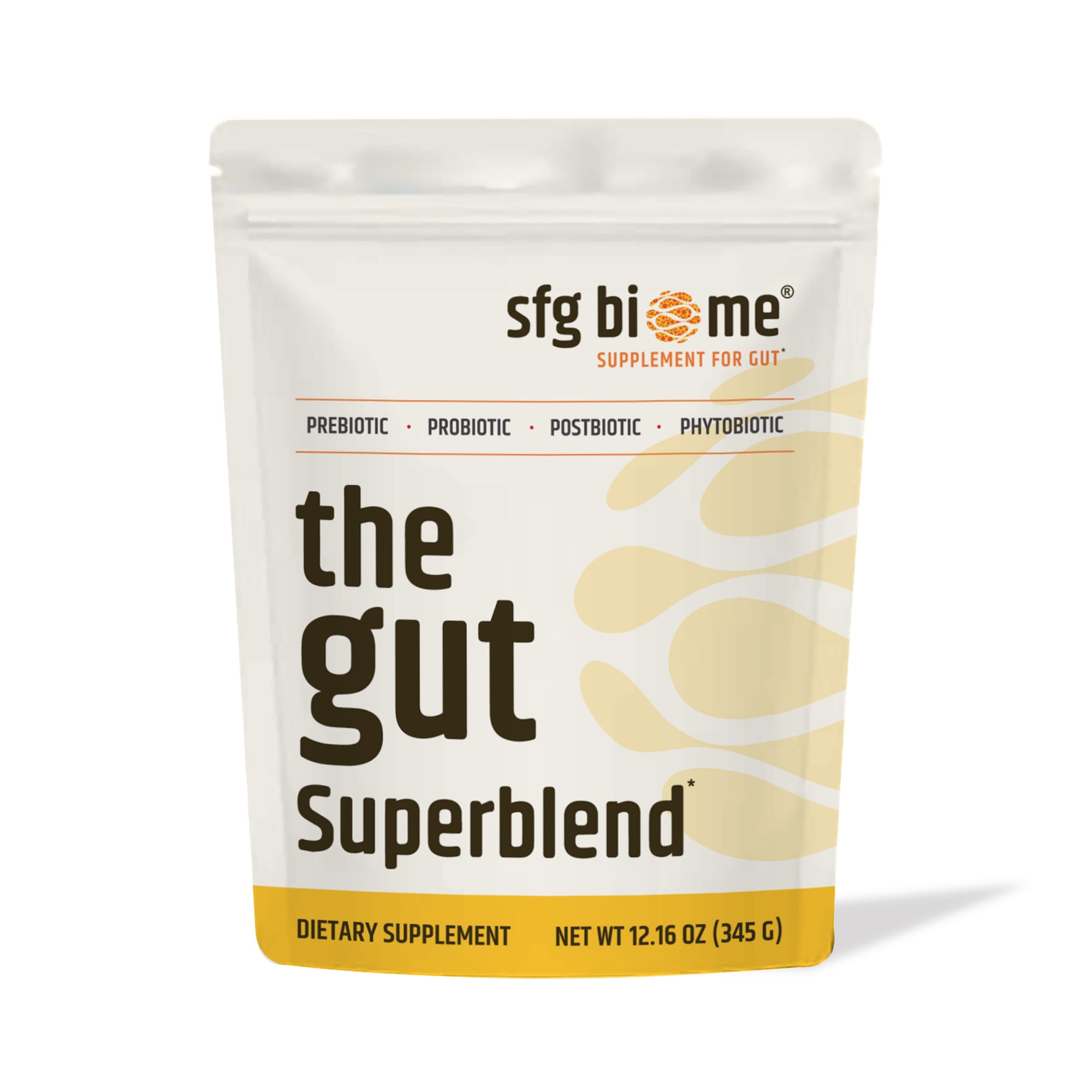
For those looking to take an extra step toward digestive wellness, high-quality gut health supplements, including probiotics and prebiotics, may complement a balanced diet and healthy lifestyle.
FAQs
1. Can eating too fast affect digestion?
Eating quickly may affect chewing and make it easier to overlook fullness cues. Taking more time during meals can support a better eating experience.
2. Can stress influence gut health?
The gut and brain are closely connected. Stress can influence digestive comfort and overall wellness, which is why stress management is often considered part of a healthy lifestyle.
3. How can busy people support gut health?
Simple habits such as eating more slowly, staying hydrated, choosing fiber-rich foods, and maintaining consistent meal patterns can help support gut health and digestive wellness.
Scientific References
- • Yau YH, Potenza MN. Stress and eating behaviors. Minerva Endocrinol. 2013 Sep;38(3):255-67. PMID: 24126546; PMCID: PMC4214609. Learn More
- • Dakanalis A, Mentzelou M, Papadopoulou SK, Papandreou D, Spanoudaki M, Vasios GK, Pavlidou E, Mantzorou M, Giaginis C. The Association of Emotional Eating with Overweight/Obesity, Depression, Anxiety/Stress, and Dietary Patterns: A Review of the Current Clinical Evidence. Nutrients. 2023 Feb 26;15(5):1173. doi: 10.3390/nu15051173. PMID: 36904172; PMCID: PMC10005347. Learn More
- • Carabotti M, Scirocco A, Maselli MA, Severi C. The gut-brain axis: interactions between enteric microbiota, central and enteric nervous systems. Ann Gastroenterol. 2015 Apr-Jun;28(2):203-209. Erratum in: Ann Gastroenterol. 2016 Apr-Jun;29(2):240. PMID: 25830558; PMCID: PMC4367209. Learn More
