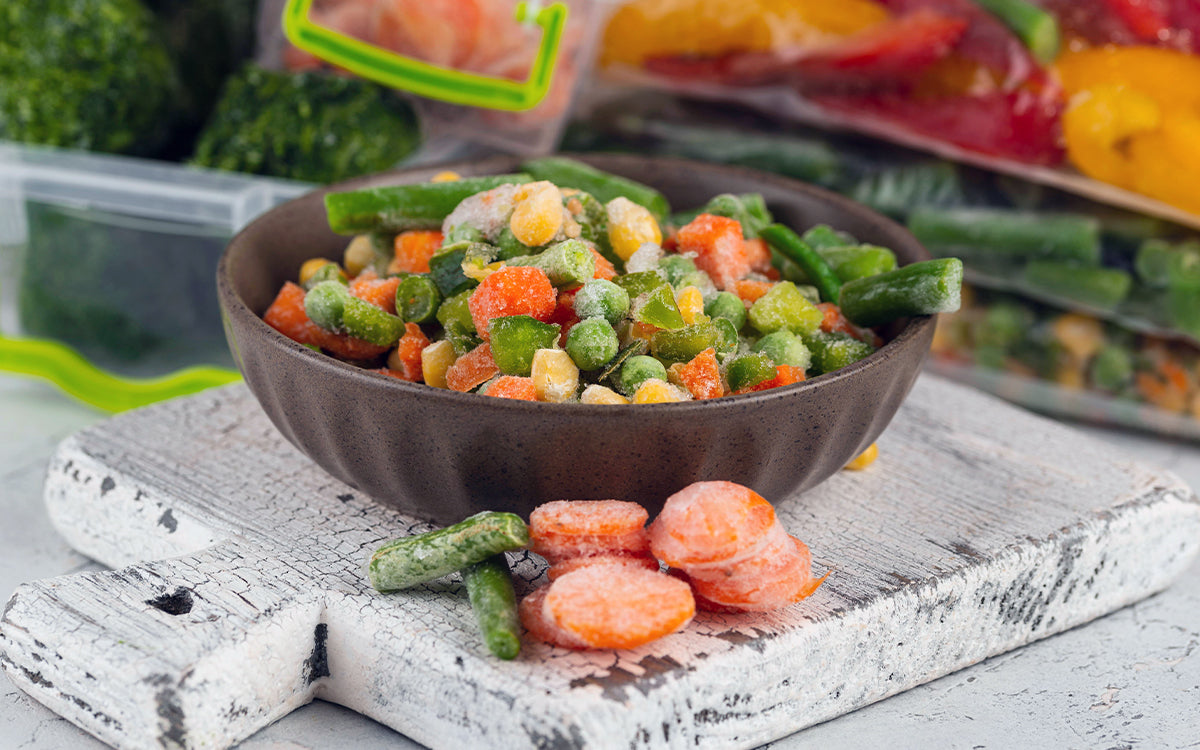
Do Frozen and Canned Veggies Help Your Gut Like Fresh Ones
When it comes to eating healthy, “fresh is best” is something we’ve all heard. But with today’s busy schedules and rising grocery costs, many people turn to canned or frozen fruits and vegetables. The big question is—are canned and frozen veggies just as good for your gut as fresh ones?
Your gut plays a key role in digestion, nutrient absorption, and overall comfort. The foods you eat—especially fruits and vegetables—can help maintain a healthy gut environment. But not everyone has the time or budget to buy fresh veggies all the time. That’s where frozen and canned options come in.
Let’s break down how these three forms—fresh, frozen, and canned—compare when it comes to gut-friendly benefits, nutrition, and practical use.
What Does the Gut Need?
Before we compare, it’s helpful to know what your gut actually needs from your food. A healthy gut thrives on:
- Fiber – Found in fruits and vegetables, fiber helps with regular digestion and helps ease discomforts like bloating or constipation.
- Vitamins and minerals – These help your digestive system function smoothly.
- Natural plant compounds – Like antioxidants and polyphenols, which help maintain gut balance.
Fresh produce, frozen produce, and canned veggies all provide these nutrients—just in different ways.
The Case for Fresh Fruits and Vegetables
There’s something satisfying about buying fresh fruits and vegetables from the grocery store. They often have bright colors, crisp textures, and a natural taste that’s hard to beat.
Pros of fresh veggies and fruits:
- Usually eaten raw or lightly cooked, helping retain more vitamins and minerals.
- No added salt or sugar when unprocessed.
- High water content, which helps support regular digestion.
Things to keep in mind:
- Fresh foods lose nutrients over time, especially if stored for too long.
- If not eaten quickly, fresh veggies can spoil, leading to waste.
- Buying fresh all the time can be expensive and time-consuming.
Fresh produce is great for your gut—but only if it's actually fresh. Buying fresh and letting it sit in your fridge for a week or more might mean you’re getting fewer nutrients than expected.
Are Frozen Fruits and Vegetables Gut-Friendly?
Frozen produce is picked at its peak ripeness and frozen within hours. This helps lock in vitamins and minerals, making it a reliable option for gut health.
Pros of frozen veggies and fruits:
- Long shelf life, so you can store them without worry.
- Often just as nutritious as fresh—sometimes more, if fresh options have been sitting around for days.
- Convenient and quick to cook.
Watch out for:
- Some frozen options come with sauces or added salt and sugar. Always read the label.
- Overcooking frozen veggies can make them mushy and lose some fiber quality.
Overall, frozen fruits and vegetables are a smart and gut-friendly choice, especially when fresh isn’t available or affordable. Go for plain or “fresh frozen” varieties with no added ingredients.
The Truth About Canned Veggies
Canned vegetables offer the longest shelf life and are incredibly easy to use. They’re perfect for people who don’t have time to cook from scratch every day. But are they healthy for your gut?
Pros of canned veggies:
- Budget-friendly and available year-round.
- Pre-cooked and ready to use—great for quick meals.
- Still contain fiber and many important nutrients.
What to be cautious of:
- Some canned vegetables have added salt or sugar to help preserve them.
- The canning process may reduce heat-sensitive vitamins, like vitamin C.
- Texture and flavor can be different from fresh or frozen.
For the gut, canned vegetables still offer benefits, especially if you rinse them before eating. This can help remove extra salt and sugar, making them a better option. Look for cans labeled “low-sodium,” “no salt added,” or “no added sugar.”
Comparing Nutritional Value: Fresh vs. Frozen vs. Canned
- Fresh veggies: Most nutritious when eaten quickly, but spoil fast
- Frozen veggies: Hold onto fiber and nutrients well; last for months.
- Canned veggies: Still have fiber and some nutrients; very long shelf life and super convenient.
- Bottom line: All three can support gut health when chosen wisely.
Each type of vegetable—fresh, frozen, or canned—has something valuable to offer your gut. The key is how they’re processed and how you use them.
Tips for Choosing the Best Gut-Friendly Options
- Read the labels – Whether you’re picking frozen or canned produce, check for added salt, sugar, or sauces.
- Go for variety – Eating a range of fruits and vegetables supports gut balance by feeding different kinds of gut bacteria.
- Keep it simple – Use light cooking methods like steaming or sautéing to keep fiber and nutrients intact.
- Rinse canned veggies – This quick step can help ease concerns about sodium and sugar content.
- Mix and match – Use a mix of fresh, frozen, and canned depending on your schedule and what’s available.
Final Thoughts
So, are canned and frozen veggies as healthy for your gut as fresh ones? The answer is—yes, they can be.
While fresh fruits and vegetables offer great nutrition, frozen and canned produce are strong contenders. They help you save time, reduce food waste, and still get gut-friendly nutrients like fiber and vitamins. Just pay attention to ingredients, avoid overly processed options, and aim for variety in your meals.
When it comes to supporting your gut through food, consistency matters more than perfection. Whether it’s fresh, frozen, or canned, adding more fruits and vegetables to your plate is always a good move.