


What Is Guar Fiber?

Guar fiber comes from the guar plant, a legume whose seeds contain a natural carbohydrate called galactomannan. It is a soluble fiber, which means it interacts with water.
Think of it this way: some fibers mainly add physical bulk, while soluble fibers can interact with water and change the texture of the mixture around them.
Guar is particularly well known for this water-holding ability. Regular guar gum can become quite thick when mixed with water, while partially hydrolyzed guar gum, often called PHGG, has been processed into shorter chains and is much less viscous.
This difference is important because not all guar-based fibers behave exactly the same way.
Why Does Guar Fiber Interact With Water?
The structure of guar fiber allows it to attract and hold water. When certain forms of guar come into contact with water, they can create a thicker mixture.
This property is called viscosity.
You may have seen a similar effect with foods that become thicker after mixing. The same basic idea helps explain why guar gum is often used as a thickener in foods.
For digestion, the important point is that soluble fibers can change the physical environment of food as it moves through the digestive tract.
However, it would be too simple to say that guar fiber automatically makes every meal more filling. The amount and type of fiber, the rest of the meal, and individual digestion all matter.
Could Guar Fiber Support Meal Satisfaction?
This is where the connection to fullness becomes interesting.
Because guar fiber is a soluble fiber with water-interacting properties, it can contribute to the physical characteristics of a meal and the digestive process. Soluble fibers can also be fermented by gut microorganisms, depending on their structure and how they are processed.
These properties make guar fiber worth considering as part of a balanced approach to meal satisfaction.
But guar fiber should not be viewed as a magic ingredient that stops hunger or replaces a complete meal.
A more useful way to think about it is this:
Guar fiber can be one piece of a meal designed to provide fiber, nutrients, and satisfaction.
That distinction matters because hunger and fullness are influenced by many factors, not fiber alone.
Guar Fiber vs. Other Types of Fiber
Not all dietary fiber behaves in the same way.
Soluble fiber interacts with water and may become thicker or gel-like, depending on the type. Guar is one example of a soluble fiber.
Insoluble fiber generally does not dissolve in water. It can add bulk to the digestive contents and supports normal digestive function.
Neither type needs to be labeled as “better.” They simply have different properties and can play different roles in a balanced diet.
Guar fiber stands out because of its water-holding and viscosity-related properties. Partially hydrolyzed guar gum is different from intact guar gum because its shorter chains make it much less viscous in water.
Understanding these differences can help explain why choosing a fiber supplement is not simply about finding “more fiber.” The type of fiber matters, too.
Where Does Guar Fiber Fit Into a Healthy Diet?

Whole foods should remain an important foundation of a fiber-rich eating pattern. Fruits, vegetables, beans, lentils, whole grains, nuts, and seeds can provide different types of fiber along with other nutrients.
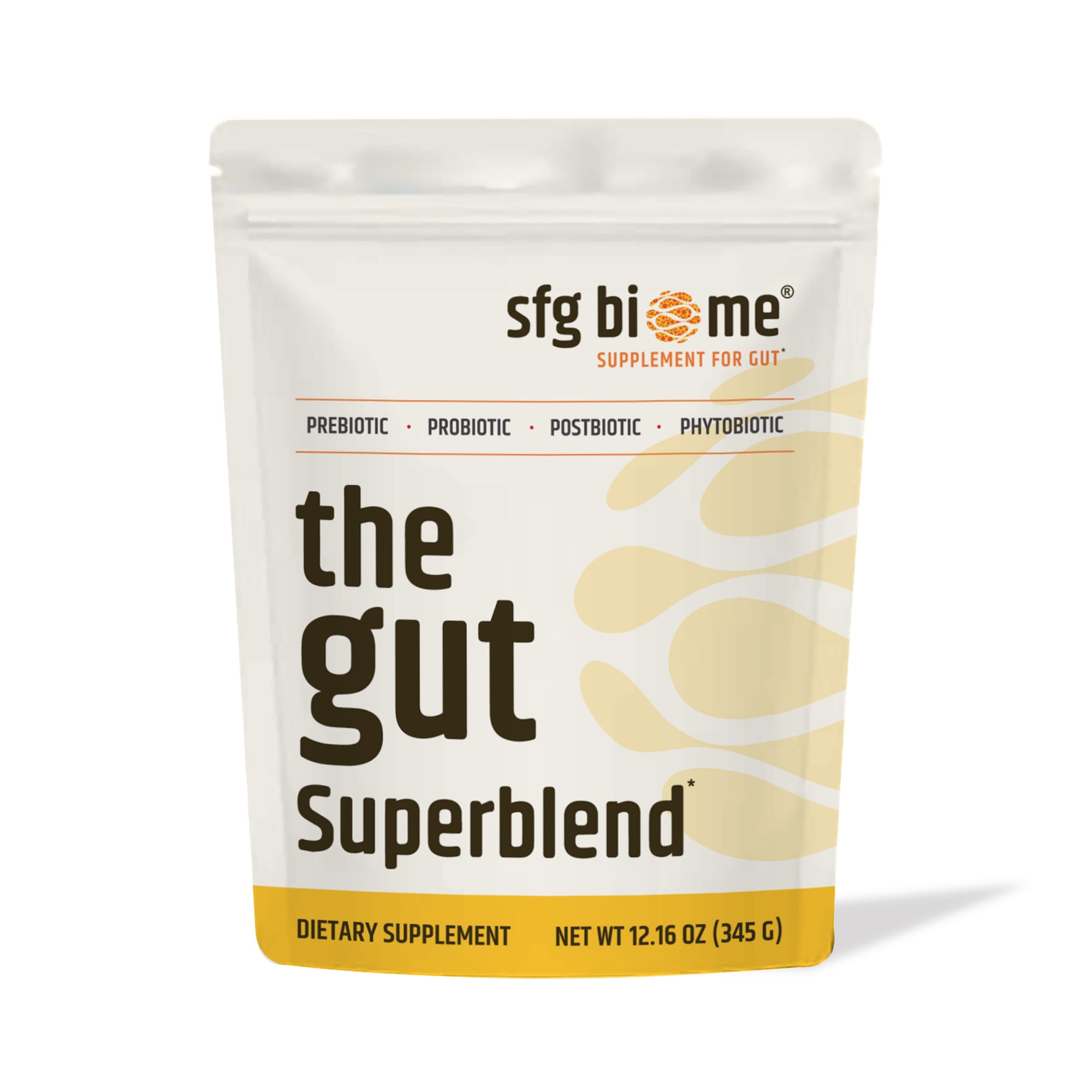
A gut health supplement containing guar fiber can be another option for people who want to add a specific type of fiber to their routine.
The goal is not to replace nutritious foods with a supplement. Instead, a supplement can complement an overall balanced eating pattern.
When choosing a guar fiber product, look at the ingredient label, serving size, amount of dietary fiber, and directions for use. Different guar-based ingredients can have different physical properties, so the exact ingredient matters.
The Takeaway
Could guar fiber be part of a more satisfying meal?
It can be one piece of the puzzle.
Guar fiber is a soluble dietary fiber with distinctive water-holding properties. Those properties make it different from many other types of fiber and help explain its role in foods and digestive wellness.
But meal satisfaction does not come from guar fiber alone. The overall balance of a meal, eating pattern, lifestyle, and individual appetite all matter.
A fiber-rich, varied diet provides the foundation. Guar fiber can complement that foundation as part of a thoughtful nutrition routine.
FAQs
1. What does guar fiber do in the gut?
As a soluble dietary fiber, guar fiber interacts with water as it moves through the digestive system. Some forms can also be used by microorganisms in the gut.
2. What is the difference between guar fiber and insoluble fiber?
Guar fiber is a soluble fiber that interacts with water, while insoluble fiber generally does not dissolve in water and can add bulk to digestive contents.
3. How should guar fiber be added to a diet?
If adding a gut health supplement containing guar fiber, follow the product directions and consider increasing fiber gradually, especially if your current fiber intake is low. Adequate fluid intake is also important.
Scientific References
- • Abe A, Morishima S, Kapoor MP, Inoue R, Tsukahara T, Naito Y, Ozeki M. Partially hydrolyzed guar gum is associated with improvement in gut health, sleep, and motivation among healthy subjects. J Clin Biochem Nutr. 2023 Mar;72(2):189-197. doi: 10.3164/jcbn.22-75. Epub 2023 Jan 13. PMID: 36936875; PMCID: PMC10017317. Learn More
- • Ariyarathna P, Mizera P, Walkowiak J, Dziedzic K. Physicochemical and Functional Properties of Soluble and Insoluble Dietary Fibers in Whole Grains and Their Health Benefits. Foods. 2025 Jul 11;14(14):2447. doi: 10.3390/foods14142447. PMID: 40724270; PMCID: PMC12295008. Learn More
- • Opperman C, Majzoobi M, Farahnaky A, Shah R, Van TT, Ratanpaul V, Blanch EW, Brennan C, Eri R. Beyond soluble and insoluble: A comprehensive framework for classifying dietary fibre’s health effects. Food Research International. 2025 Apr 1;206:115843. Learn More
