


Inflammation-aging: The Secret Driver of Biological Decay
One of the biggest buzzwords in 2026 is "Inflammation-aging." This refers to the low-grade, chronic inflammation that builds up as we get older. A major source of this inflammation, “leaky" gut barrier.
The Protective Shield
When your gut lining is young and strong, it keeps toxins out of your bloodstream. As it ages (or becomes damaged by poor diet), it begins to leak. These leaks trigger your immune system to stay in a constant state of "high alert," which accelerates the aging of your heart, brain, and skin. By repairing the gut barrier, you shut off the "fire" of inflammation-aging at its source.
The Diversity Clock Why "Old" Guts Look the Same
If you look at the microbiome of a "Super-Ager" (someone who lives to 100 with perfect health), you’ll notice one thing: Extreme Diversity. Their gut looks like a lush rainforest, while a "biologically old" gut looks more like a manicured lawn only a few types of bacteria left.
The "Core" Species
As we age, we tend to lose "keystone" species like Akkermansia muciniphila. This specific bacterium is responsible for keeping your gut lining thick and youthful. Maintaining these keystone species is considered one of the most effective longevity hacks available.
Metabolic Youth: How Your Gut Manages Your Energy
Aging is often just a decline in how our cells produce energy. Your gut bacteria produce small molecules called Short-Chain Fatty Acids (SCFAs), like butyrate. These aren't just for digestion; they travel to your mitochondria (the power plants of your cells) and tell them to keep producing energy efficiently.
The Mitochondrial Connection
When your gut is "young," your mitochondria are active and your metabolism is fast. When your gut bacteria decline, your mitochondria slow down, leading to the weight gain and fatigue we often associate with "getting old."
3 Habits to Reverse Your Gut Age
You don’t need a time machine to stay young. You can start reversing aging naturally through these three steps:
- 1. Prioritize "Polyphenol Power": Deeply colored like purple carrots, blueberries, and dark chocolate act as "anti-aging serum" for your bacteria. They specifically feed the microbes that protect your DNA.
- 2. Pulse Fasting: Giving your gut 12–14 hours of rest overnight allows for "Autophagy" a process where your body cleans out old, damaged gut cells and replaces them with fresh ones.
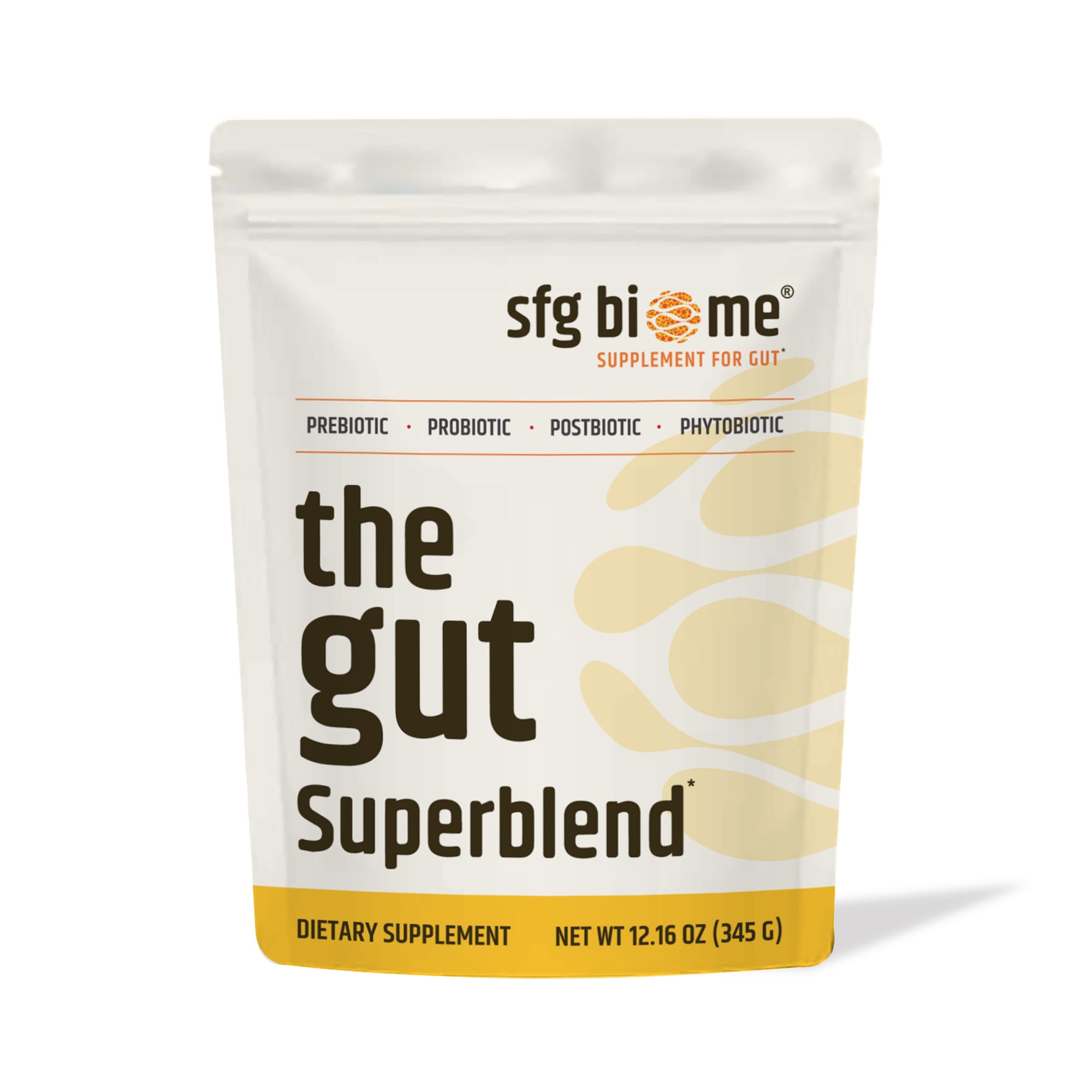
- 3. Targeted Supplementation: Use standard probiotics that focus on "Keystone Strains" (like Bifidobacterium) and "Postbiotics" (like Butyrate) to mimic the microbiome of a much younger person.


Note: Consult your physician prior to use of the supplement if you are pregnant, nursing, taking medication, or have a medical condition.
Key Takeaway
Aging is inevitable, but how you age is optional. Your gut microbiome is the most powerful tool you have for controlling your biological age. By focusing on diversity, repairing your gut barrier, and feeding your "keystone" bacteria, you aren't just living longer you are living younger.
FAQs
1. Can I really change my biological age?
Yes, Studies using "epigenetic clocks" show that lifestyle and gut health interventions can lower biological age by 2–3 years within just a few months.
2. How do I know if my gut is "old"?
Common signs of an "aged" gut include chronic bloating, new food sensitivities, persistent fatigue, and "brain fog" that doesn't go away with sleep.
3. Is it ever too late to start?
Never. Research on centenarians shows that the microbiome remains adaptable even into your 90s. Your gut can begin to shift within just 72 hours of a diet change.
Scientific References
- • Barron, M. (2025). "Aging and the Gut: The Microbiome's Second Act." American Society for Microbiology (ASM). Learn More
- • Wang, X., et al. (2025). "From dysbiosis to longevity: a narrative review into the gut microbiome's impact on aging." Frontiers in Aging. Learn More
- • Li, Y., et al. (2024/2025). "Gut microbiota-mitochondrial crosstalk in obesity: novel mechanistic insights." Frontiers in Endocrinology. Learn More
